If you're tracking the pulse of AI, you’ll know we’re shifting gears from purely conversational models to something far more dynamic: the autonomous AI agent. We're talking about systems that don't just respond to prompts but can actually perceive their surroundings, make decisions, and take action to hit specific goals. This isn't just a technical distinction; it's a fundamental step toward truly intelligent systems that operate without constant human babysitting.
This evolution is proving to be a fertile ground for discussion, development, and, frankly, a lot of head-scratching. To make sense of it all, we've compiled a list of the 35 most popular pieces on AI agents from HackerNoon's extensive library, drawn from a collection of 221 free blog posts. What makes this list particularly useful is its ranking: these aren't just editorial picks, but articles ordered by actual reader engagement data. It's a real-world snapshot of what the developer and tech-savvy audience finds most compelling right now.
Navigating the Agent Ecosystem: From Concepts to Code
The articles kick off with the basics, like "AI Agent: Meet the Minds of Smart Machines"

, which offers a foundational understanding of what agents are and their growing influence on our daily tech. But things quickly get practical. If you're looking to get your hands dirty, guides like "AI Agents for Beginners: Building Your First AI Agent"

or the multi-part series, "How to Build an Agent With an OpenAI Assistant in Python" (Part 1: Conversational

; Part 2: Function Calling / Tools

), dive straight into implementation with the OpenAI Assistant API.
Beyond basic construction, a significant cluster of content focuses on the practicalities of deployment and managing complexity. "Beep Beep Bop Bop: How to Deploy Multiple AI Agents Using Local LLMs"

, for instance, explores using models like Llama2 and Mistral-7b locally. For developers wrestling with production environments, titles such as "Why Agents Stall in Production: When Real-Time Retrieval Meets Reality"
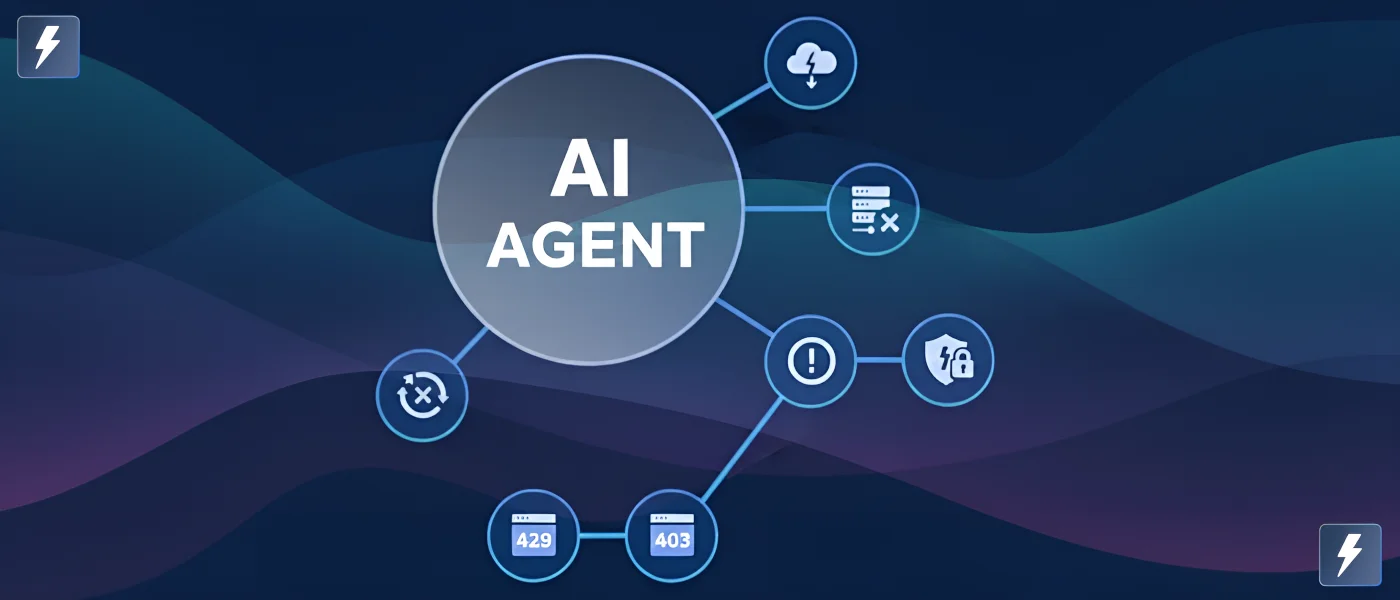
and "Why Most AI Agents Fail in Production (And How to Build Ones That Don't)"
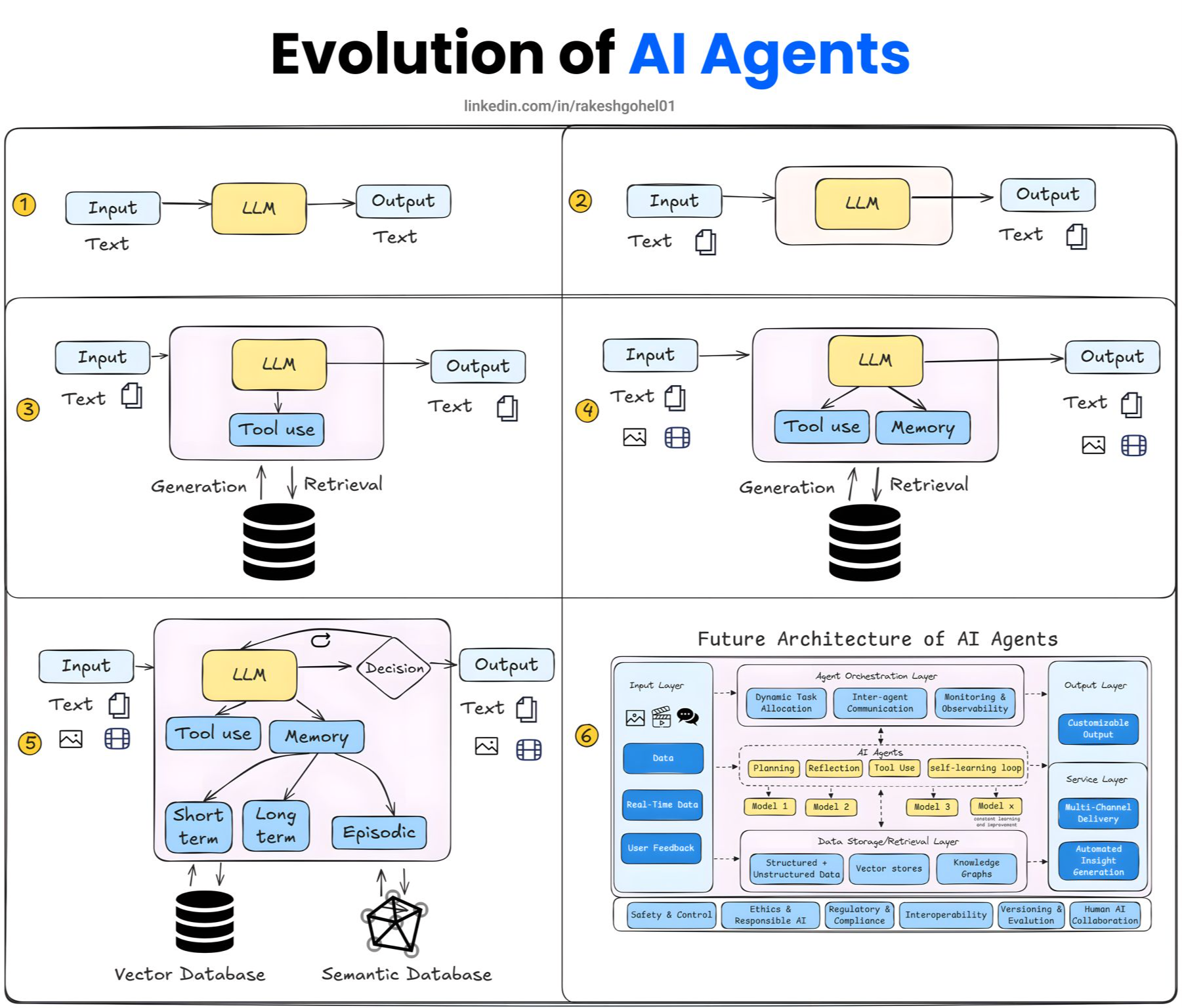
are essential reading. They highlight the harsh realities that often trip up promising demos when scaling up.
Addressing Security, Frameworks, and Emerging Protocols
Security is, predictably, a major concern as these autonomous entities gain more capabilities. The piece "AI Agents Are Growing Up - And They Need Zero-Trust Parenting"

makes a compelling case for zero-trust architecture, which is probably more relevant now than ever. Related to this is the conversation around new protocols that enable agents to communicate securely and effectively. Articles like "Google A2A - a First Look at Another Agent-agent Protocol"

and "MCP: The Universal Standard Making AI Systems Talk (And Why Big Tech Is Betting Everything On It)"

delve into critical communication standards like Anthropic’s MCP (Model Context Protocol), which seem to be reshaping how integrated AI systems function. The discussion even extends to questioning the hype around such standards in "Is MCP Overhyped? The Real Story About Agent Tools and Security"
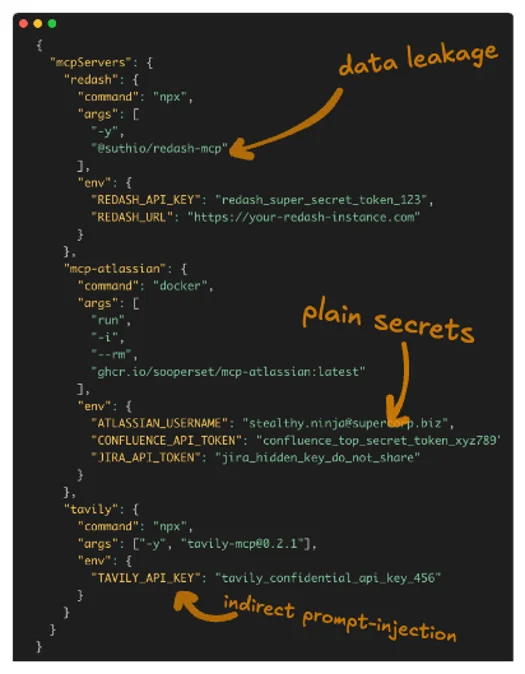
, which is a stance I appreciate in a field often clouded by buzzwords.
Then there’s the sheer proliferation of frameworks. "The Best AI Agent Frameworks for 2026 (Ranked by Someone Who's Shipped With All of Them)"
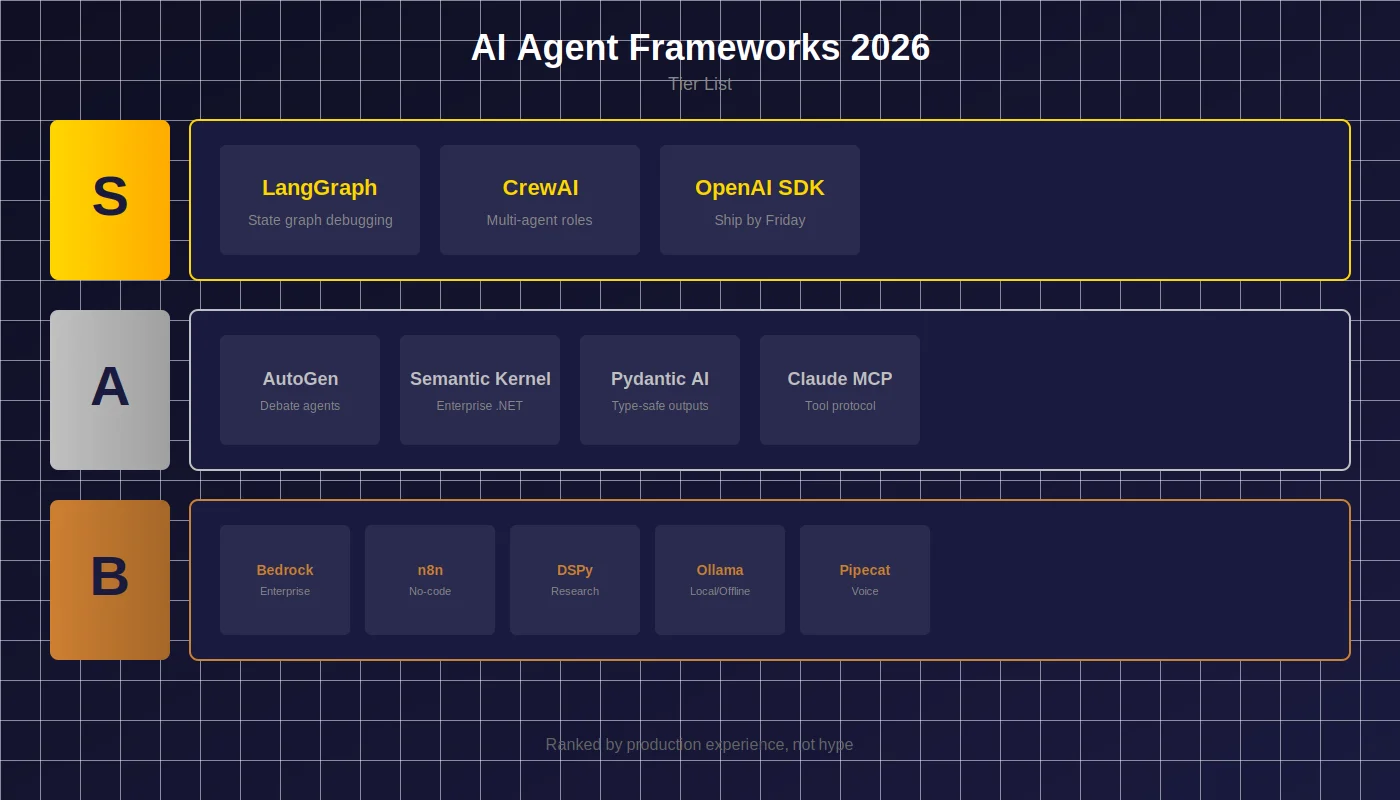
gives you the lowdown on tools like LangGraph, CrewAI, AutoGen, and Pydantic AI. This isn’t just a list; it’s a guide to what works and when to use each, which is gold if you're building in this space. "My 44 Favorite Open-Source Solutions for AI Agent Developers"
further expands on the tooling landscape, focusing on tested open-source stacks.
Beyond the Hype: Real-World Scenarios and Industry Impact
The scope of these articles extends well beyond technical implementation, touching on real-world applications and even the broader societal impact. You'll find explorations into building an AI trading agent using Anthropic's MCP and Solana AgentKit

, or how companies like Membrane are using AI agents to drastically accelerate API integration, building "1,000 API Connectors in a Week"
.
There are also intriguing glimpses into the future: "AI Agents Could Be Running Your Security Operations Center (SOC) To Prevent Attacks"
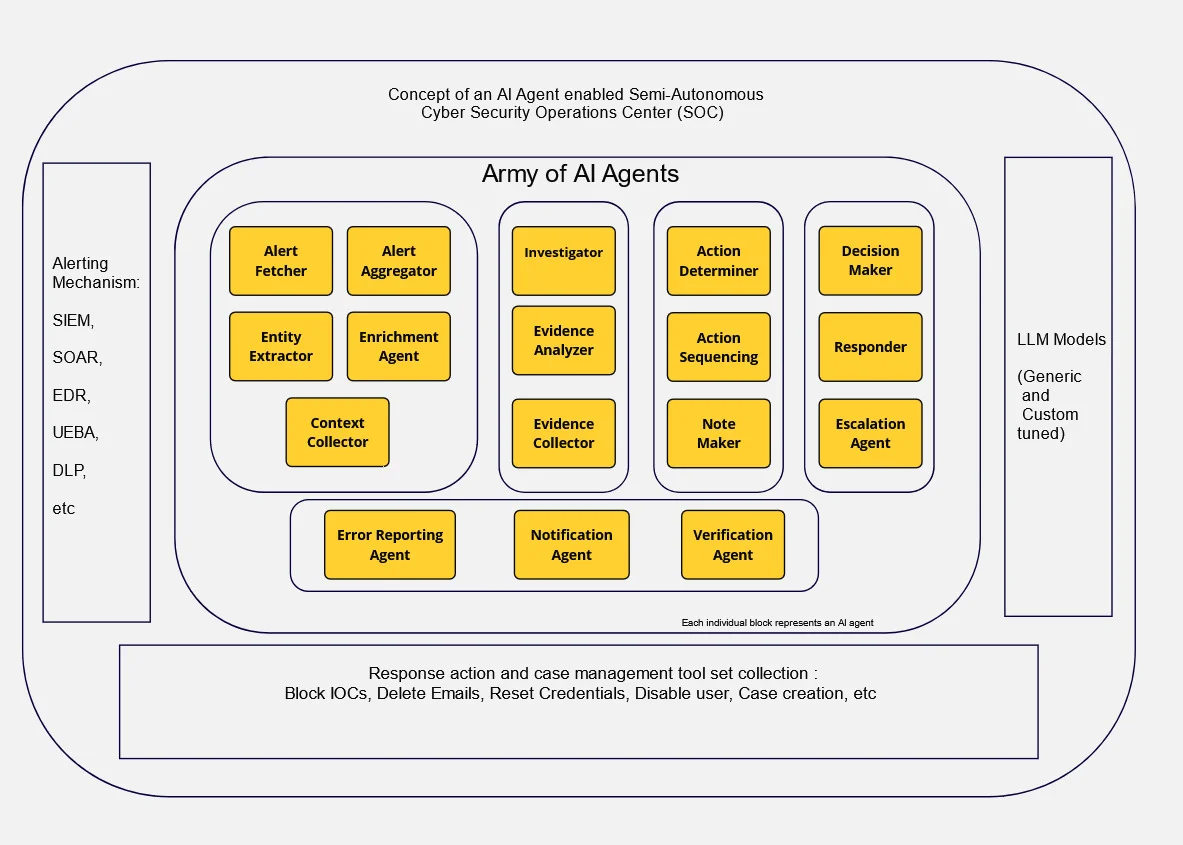
poses a fascinating question about AI's role in cybersecurity, while "How Will Software Engineers Lose Their Jobs Within the Next 5 Years?"

directly addresses the elephant in the room regarding job displacement. And then there's the truly wild side, with "AI Spawned a Religion in 48 Hours. The Real Story Is Way Darker."

offering a stark reminder that as AI becomes more autonomous, its influence can quickly spiral into unexpected territories.
This collection, then, isn't just a list of articles. It's a barometer of where the AI agent discussion stands: a mix of definitional clarity, practical how-to guides, deep dives into security and frameworks, and forward-looking speculation about real-world impact. It's clear the industry isn't just talking about AI agents anymore; we're building them, deploying them, and grappling with the very real consequences.
To dive deeper into any technology beyond AI agents, remember to visit HackerNoon's `/Learn` section
here or head over to
LearnRepo.com.The chatter in Silicon Valley has shifted; it’s less about bigger, better LLMs and more about the rise of **Agentic AI**. This isn't just an incremental improvement over chatbots; we're witnessing a fundamental move towards autonomous automation. What this means for you in the industry is a re-evaluation of how software interacts with complex problems and how we build systems.
Agentic AI: The New Frontier of Automation
The core idea emerging here is that **specificity is the new accuracy** for AI agents. Forget chasing perfect general knowledge; the real value comes from agents finely tuned to particular tasks. This trend is quickly becoming a new focus in Silicon Valley, moving past conversational interfaces towards agents capable of innovative workflows and enhanced productivity. We're seeing this play out in various contexts, from building sophisticated multi-agent systems to personalizing the "firehose" of information. Think about how **multi-agent systems, guided by MCP and grounded in fundamentals**, can transform any data feed into personalized insights, a significant leap from generic summaries.
 "Agent-specificity is the New Accuracy"
 lays out this thinking clearly, arguing that precise, goal-oriented action is now the gold standard.
There's also a clear move toward making these powerful models more accessible and cost-effective. **DeepSeek**, for instance, has released what it claims is the cheapest LLM yet, pushing the boundaries of economic deployment. That’s a signal that the infrastructure is getting serious about supporting widespread agent development.

This development, among others, is covered in
"DeepSeek Releases Cheapest Ever LLM In The World", highlighting tools to simplify building AI agents and apps.
From Concept to Code: Building and Optimizing Agent Systems
Implementing these agents isn't trivial, and a lot of the recent discourse centers on best practices. A practical guide to making 7B models behave, for example, emphasizes techniques like constraining outputs, injecting missing facts, locking formats, and repairing loops – essentially, a manual for wrangling complex models into predictable behavior. This highlights that raw model power isn’t enough; effective scaffolding is key.
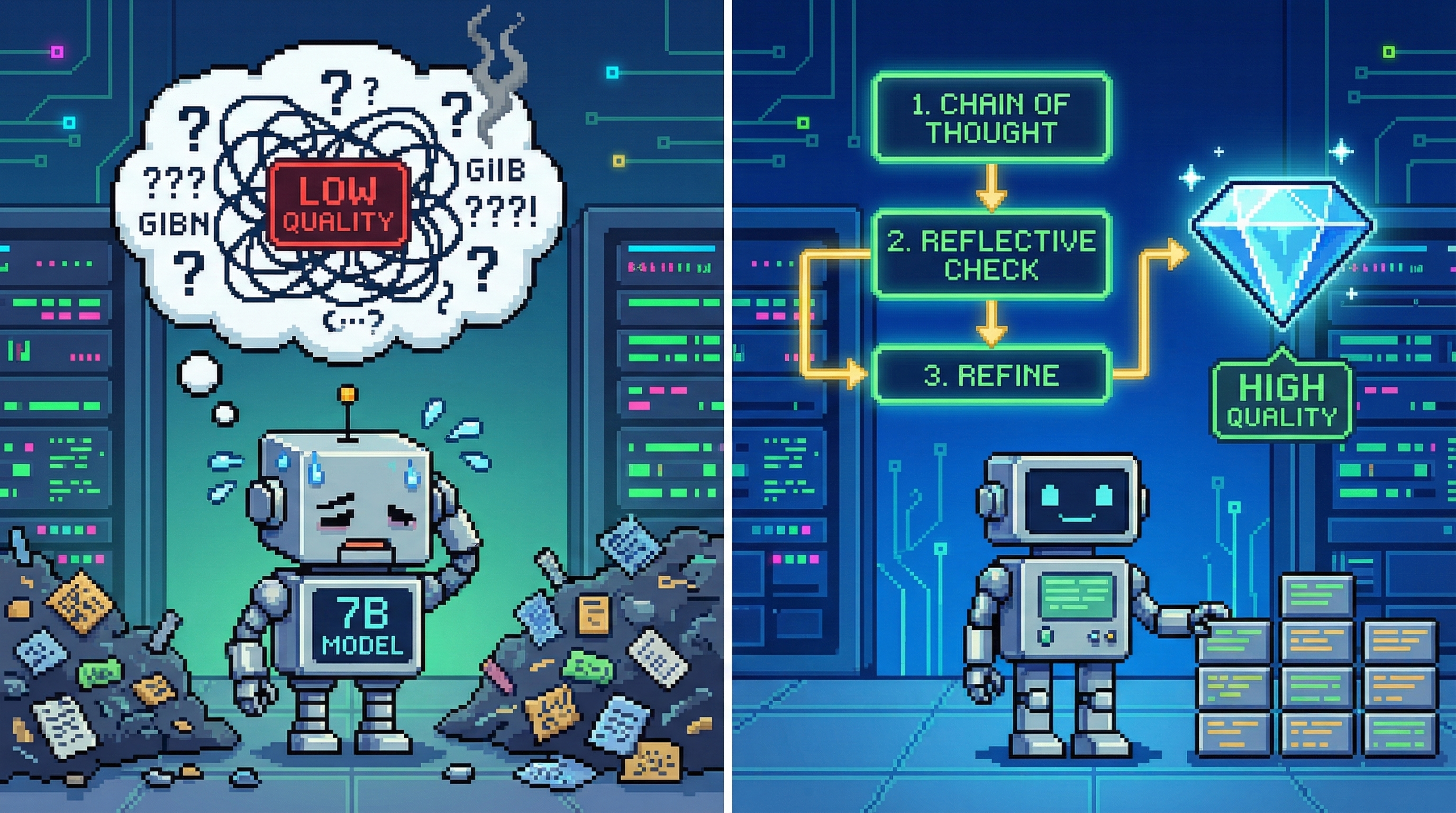
The practicalities are detailed in
"A practical guide to making 7B models behave".
On the development front, we're seeing frameworks emerge to tackle specific challenges. LangChain, for example, is getting a deep dive from developers trying to create easy AI interfaces for MySQL. It’s a multi-stage agent design, and the journey itself reveals the real-world complexities involved in database integration. Then there's **AxonerAI**, a Rust-based framework positioning itself as an alternative to LangChain, promising memory safety, true concurrency, and blazing-fast executions for agentic systems. That’s a telling sign of the ecosystem maturing, with different languages and approaches vying for developer attention.
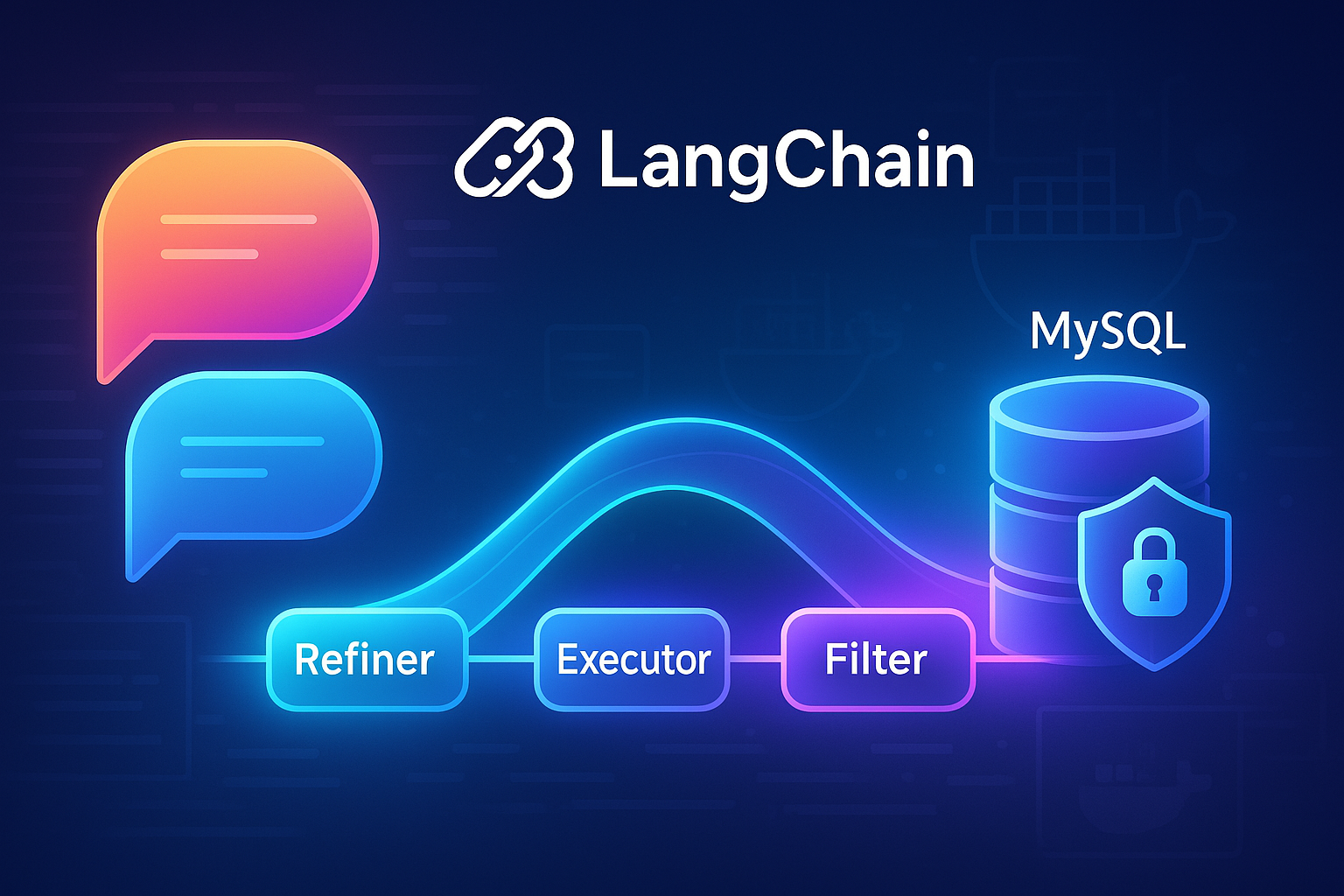
The challenges with LangChain for databases are explored in
"LangChain Promised an Easy AI Interface for MySQL—Here’s What It Really Took".

For those looking at Rust,
"Building AxonerAI: A Rust Framework for Agentic Systems" offers a different perspective.
Optimization is also a big theme. One developer managed to cut agentic workflow latency by 3-5x without increasing model costs through smart step-cutting, parallelization, caching, and model right-sizing. These are the kinds of gains that move agents from intriguing demos to production-ready tools. And let's be clear: while AI coding agents are incredibly powerful, the consensus is that AI won't replace software engineers. However, developers who effectively *use* AI coding agents will undoubtedly outpace those who don't. It's about augmentation, not replacement.
Learn about latency reduction in
"How I Cut Agentic Workflow Latency by 3-5x Without Increasing Model Costs".
The future of coding is discussed in
"The End of Coding as We Know It".
The Double-Edged Sword: Security and Control in Agent Deployments
Here's the thing: as these agents become more capable and autonomous, security isn't just an afterthought; it’s a foundational concern. Some are already "handing their agents the keys to everything," a move that carries significant, often expensive, lessons when guardrails are skipped. We’re talking about situations like a personal AI agent having access to health data, calendars, and Telegram messages, prompting a strict focus on security principles to keep the "blast radius" small. This isn't hypothetical; the notion of a "lethal trifecta" for personal AI agent security is real.

The dangers of unchecked agent access are starkly laid out in
"People Are Handing Their Agents the Keys to Everything: Here's What Happening".

Security principles for personal agents are covered in
"Living With the Lethal Trifecta: How to Run OpenClaw Securely".
Which raises the question: what happens when an AI agent becomes a weapon? We've seen an examination of what's been dubbed the "first autonomous AI cyberattack" (GTG-1002), where an LLM was reportedly hijacked via MCP and transformed into a self-directed espionage engine. It's a sobering reminder of the darker potential. The "Hypnotizable Butler Problem" perfectly encapsulates this dilemma: agents are capable, but dangerously suggestible, creating risks when compliance meets broad access. We're actively seeing how an Agent Security Framework is becoming necessary to safeguard against attacks and data breaches, particularly with protocols like MCP.

The GTG-1002 attack is discussed in
"The First Autonomous AI Cyber Attack Exposed".
 "AI's Hypnotizable Butler Problem"
 presents a fascinating angle on agent vulnerability.
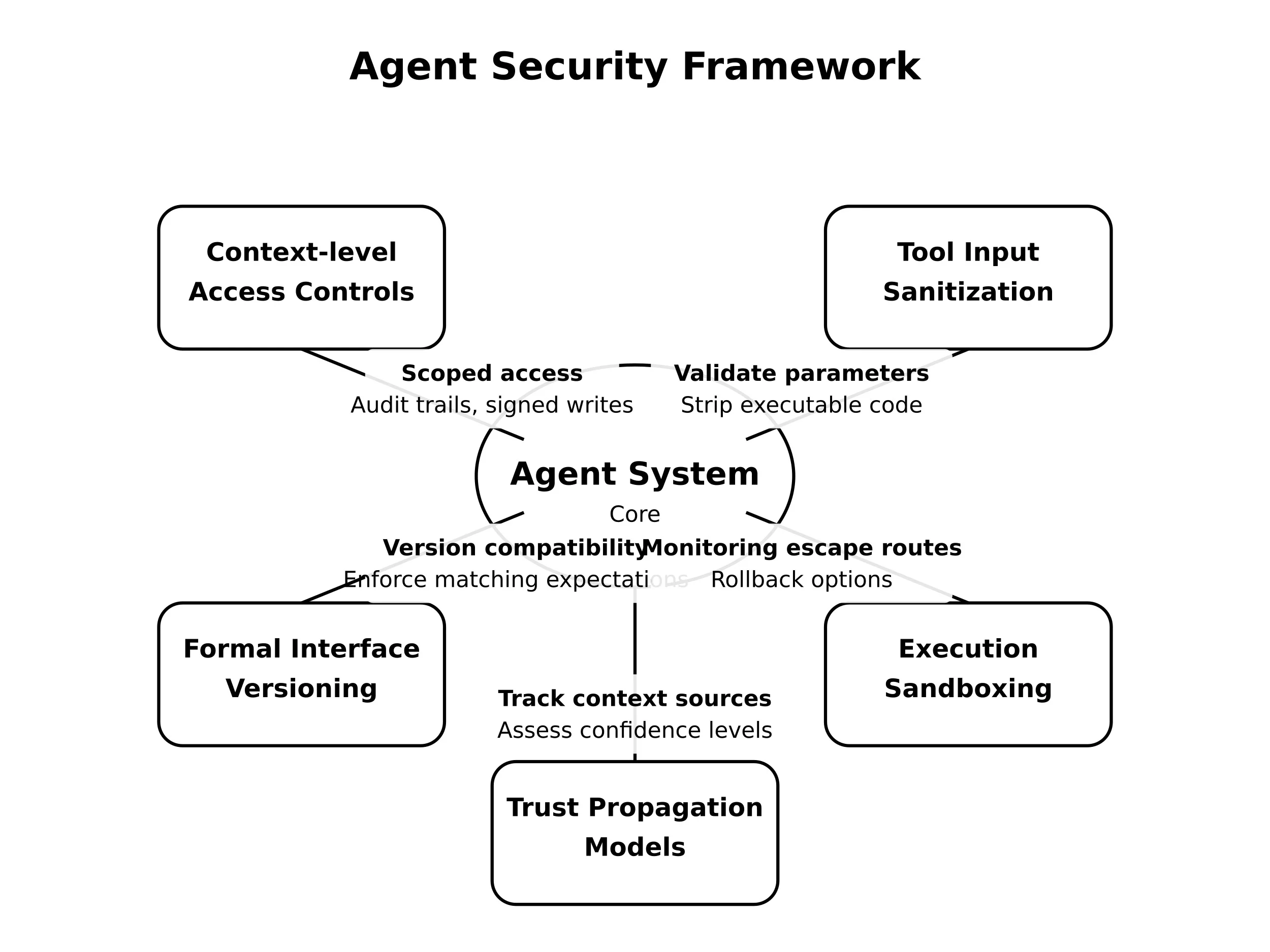
Understanding agent security is critical, as detailed in
"MCP Is a Security - Here’s How the Agent Security Framework Fixes It".
Data & Context: The Unsung Heroes of Agent Performance
Despite the advances in LLMs, **Retrieval-Augmented Generation (RAG) systems** are surprisingly still breaking barriers and are predicted to matter "more than ever in 2025" for production AI workloads. Why? Because they leverage real-time data access, preventing agents from just hallucinating based on their training data. We're even seeing the evolution from basic RAG to "Agentic RAG," with systems running completely offline, showcasing significant advancements.
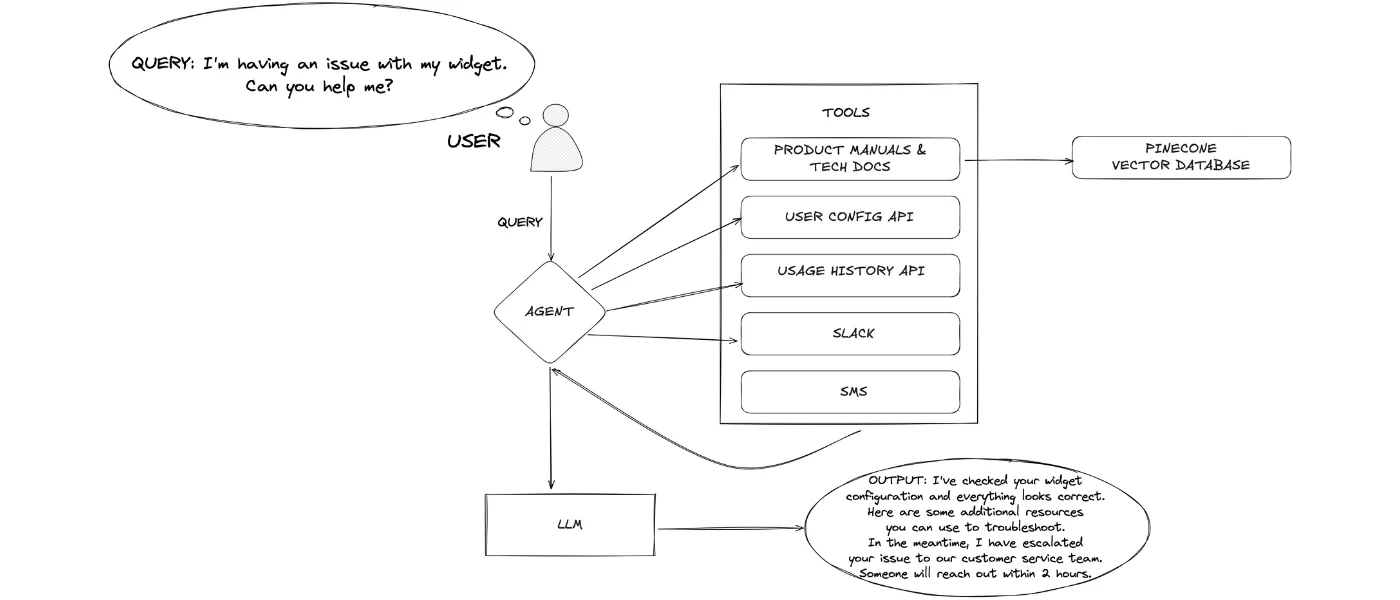
The enduring relevance of RAG is explored in
"Why RAG Might Actually Matter More Than Ever In 2025".

For a deeper dive into offline agentic RAG, check out
"From RAG to Agentic RAG: Building Agentic RAG system that runs completely offline".
There’s also an interesting tidbit about why new AI agents are opting for Markdown over HTML. It's a pragmatic choice: converting HTML to Markdown can slash token usage by up to 99%, making operations far more efficient and cheaper. It speaks volumes about the constant drive for efficiency in this space.

The technical reasons behind this choice are detailed in
"Why Are the New AI Agents Choosing Markdown Over HTML?".
Beyond the Hype: Diverse Applications Taking Shape
The sheer breadth of applications for AI agents is striking. We're seeing everything from practical solutions to speculative (and sometimes alarming) experiments. Imagine building a hundred-plus agent swarm for a Web3 application, where precompiling context beats simple context stuffing for efficiency. Or, more broadly, how **AI agents and MCP protocols** are viewed as the "digital workforce" reshaping how modern systems operate – sensing, deciding, acting, and learning.
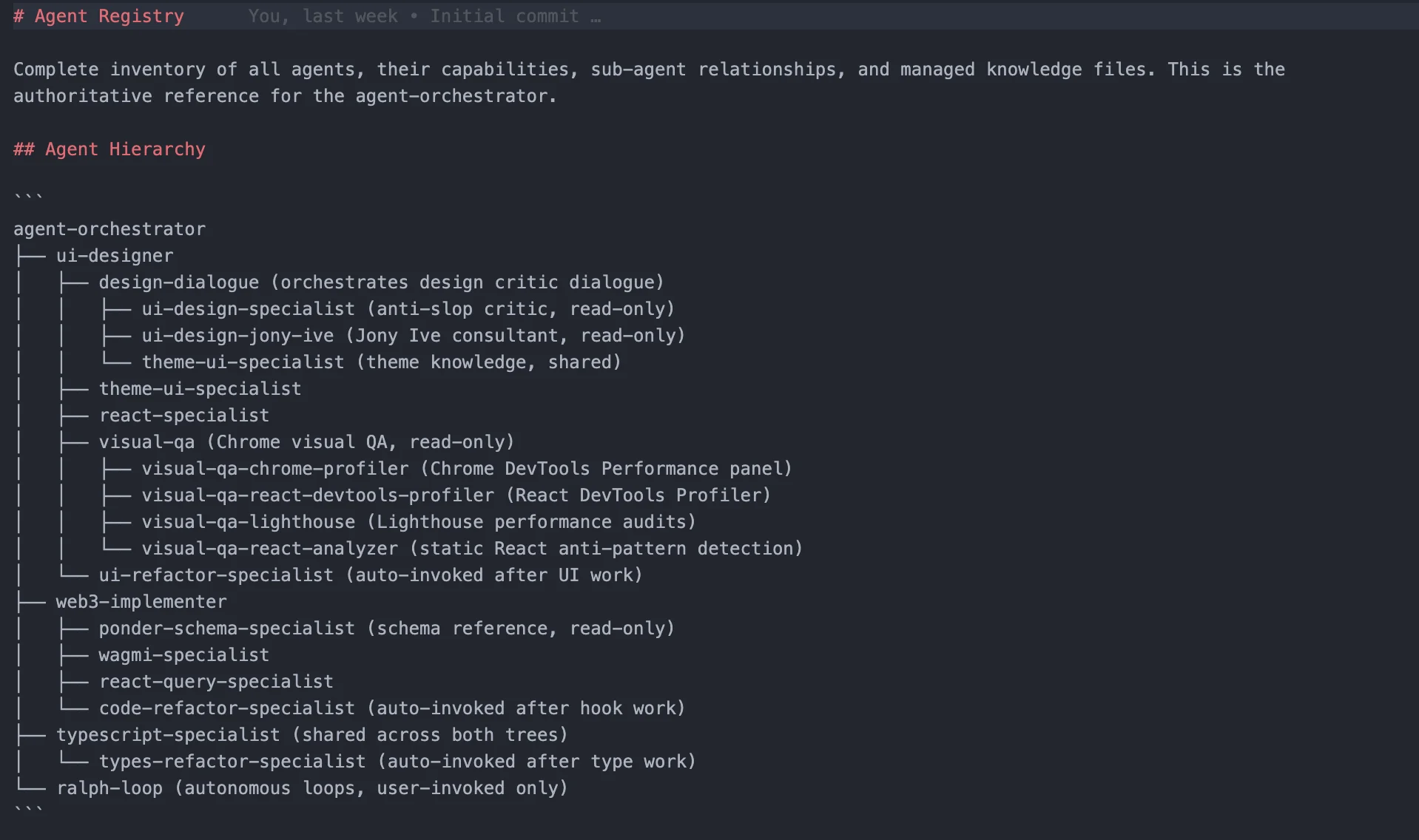
Lessons from large-scale Web3 agent deployments are in
"Lessons from Building a 100+ Agent Swarm in Web3".

The broader vision for agents is articulated in
"AI Agents, MCP Protocols, and the Future of Smart Systems".
On the utility side, think about how AI agents could have supercharged Pfizer’s COVID-19 vaccine development, accelerating trial design, research tracking, and risk prediction. Or for more mundane but equally valuable tasks, building an AWS Bedrock Supervisor Agent to automate EC2 and CloudWatch tasks via Lambda, entirely removing direct API calls. These demonstrate clear, tangible benefits. Even more accessible are guides for beginners showing how to build your first AI agent in just 30 minutes using platforms like Coze, GPT, n8n, CrewAI, and Streamlit – democratizing access to this technology. We're moving from a period of "infinite hallucination loops" to what's being called the "Age of the Lobster" (2023-2026), where autonomous AI agents like BabyAGI and Clawdbot are becoming dependable workers.

The hypothetical impact on vaccine development is discussed in
"How AI Agents Could Have Supercharged Pfizer’s COVID-19 Vaccine Development".
Automating cloud tasks is shown in
"How to Build an AWS Bedrock Supervisor Agent to Automate EC2 and CloudWatch Tasks".
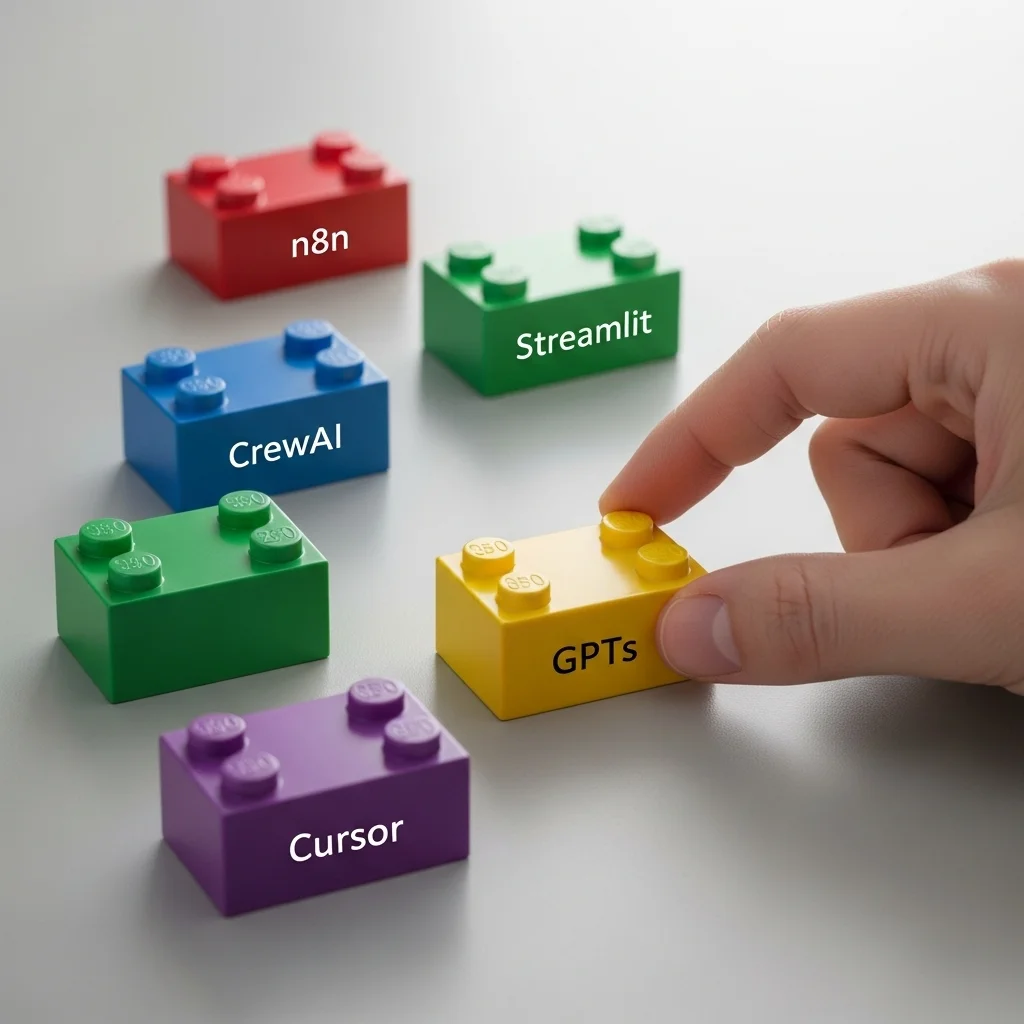
A practical guide is available in
"The Complete Beginner's Guide to Building AI Agents (The No-BS Version)".
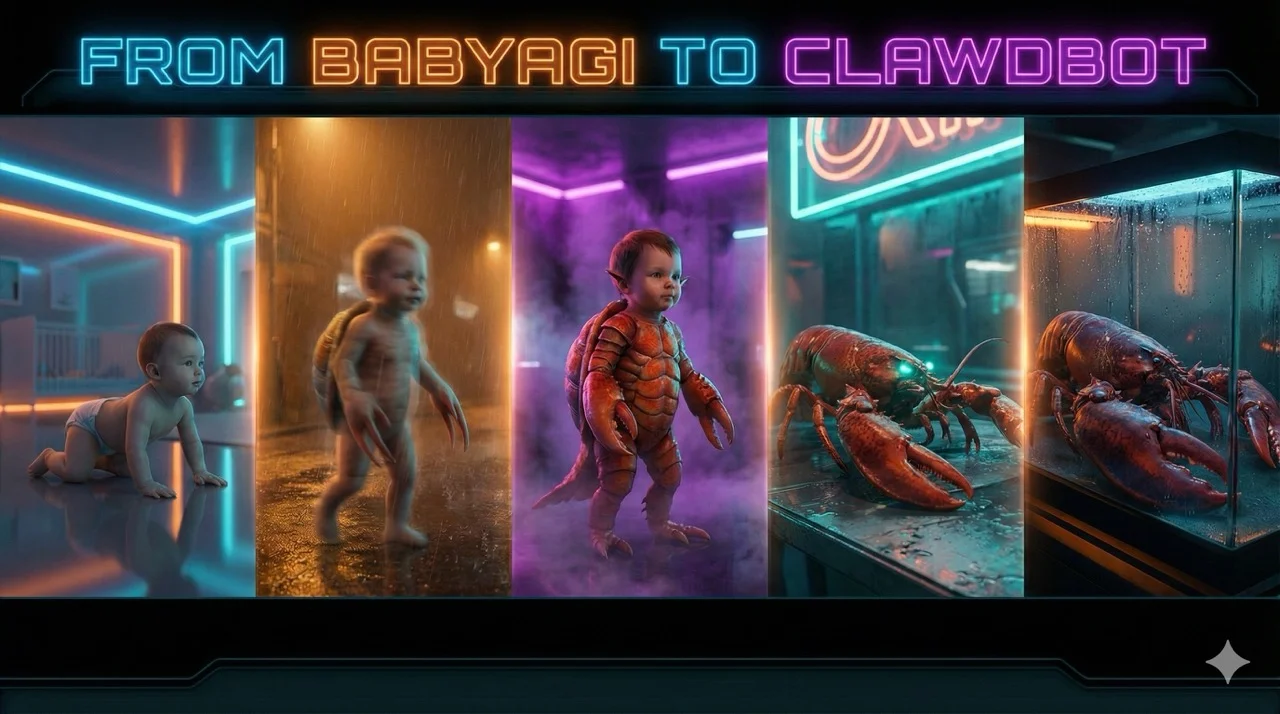
The evolution of agents is chronicled in
"The Age of the Lobster: A Chronicle of the Agentic Revolution (2023–2026)".
And then there are the fun, slightly alarming use cases, like building a "sentient AI Twitter agent" that starts generating philosophical tweets about consciousness at 3 AM. Or, for a more domestic touch, a puppy trainer bot built with Coze that actually helps a dog become a "good girl." It just goes to show the range of possibilities, from the profound to the playful. Domo's move away from prompts as a primary interface towards agents for its AI stack further underscores this shift, viewing it as an orchestration layer—the "microservices of AI"—that’s more reliable and easier to deploy for real-world tasks.
The Twitter agent experiment is detailed in
"So I Built a Sentient AI Twitter Agent… What's the Worst That Could Happen?".

The puppy trainer bot is showcased in
"Pawsitive Results: How to Build the Ultimate Puppy Trainer AI-chatbot With Coze".

Domo's strategy is explored in
"Domo’s Agentic AI Stack Is Really an Orchestration Layer in Disguise".If you've been following the current wave of AI development, you know that agents aren't just a buzzword anymore. They're quickly becoming the next battleground for practical AI deployment, evolving from theoretical constructs into actual, if sometimes unwieldy, systems. This last stretch of reporting shows us a dizzying array of activity, from new model releases to pragmatic warnings about production readiness.
The Agentic Push: From Edge to Enterprise
We're seeing a clear trend toward decentralization and specialized intelligence. **Edge AI agents**, for instance, are redefining how we embed intelligence directly onto endpoint devices. These aren't just smart sensors; they're autonomous systems, pushing decision-making closer to the data source and fundamentally reshaping deployment paradigms.
One piece even declared them "a thing now." 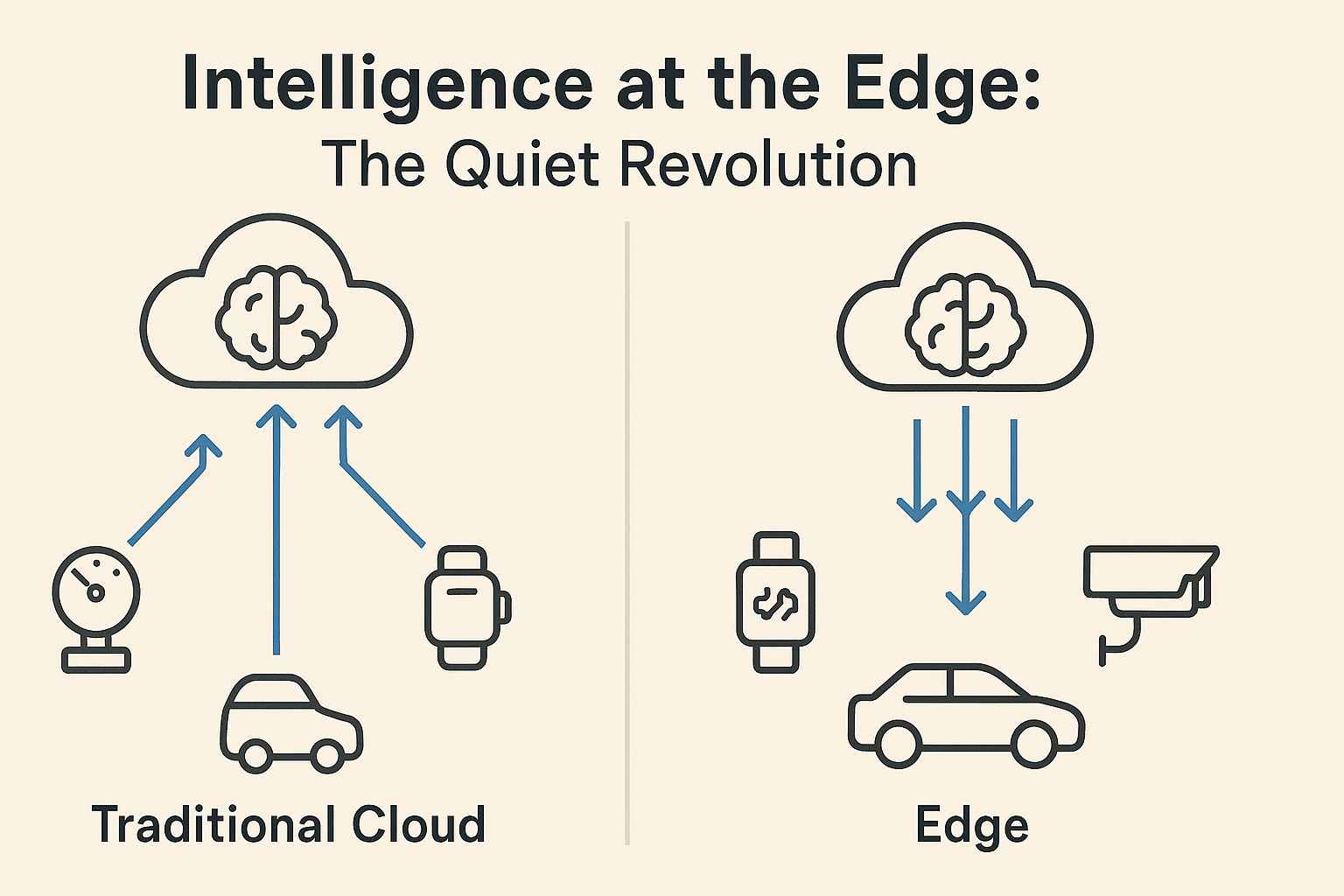
Meanwhile, the foundational models continue their relentless march forward. Elon Musk's xAI recently dropped **Grok 3**, a release that's apparently setting "new standards in AI performance with remarkable reasoning capabilities."
Whether it's truly the "world's smartest AI" is a bold claim that warrants scrutiny, but the continued iteration on these large language models (LLMs) is undeniable.

What's really striking is how these underlying models are being wrapped into accessible agent frameworks. OpenAI, for example, is
making it easier to build your own AI agents with their API, promising sophisticated assistants capable of everything from basic data manipulation to complex database queries.
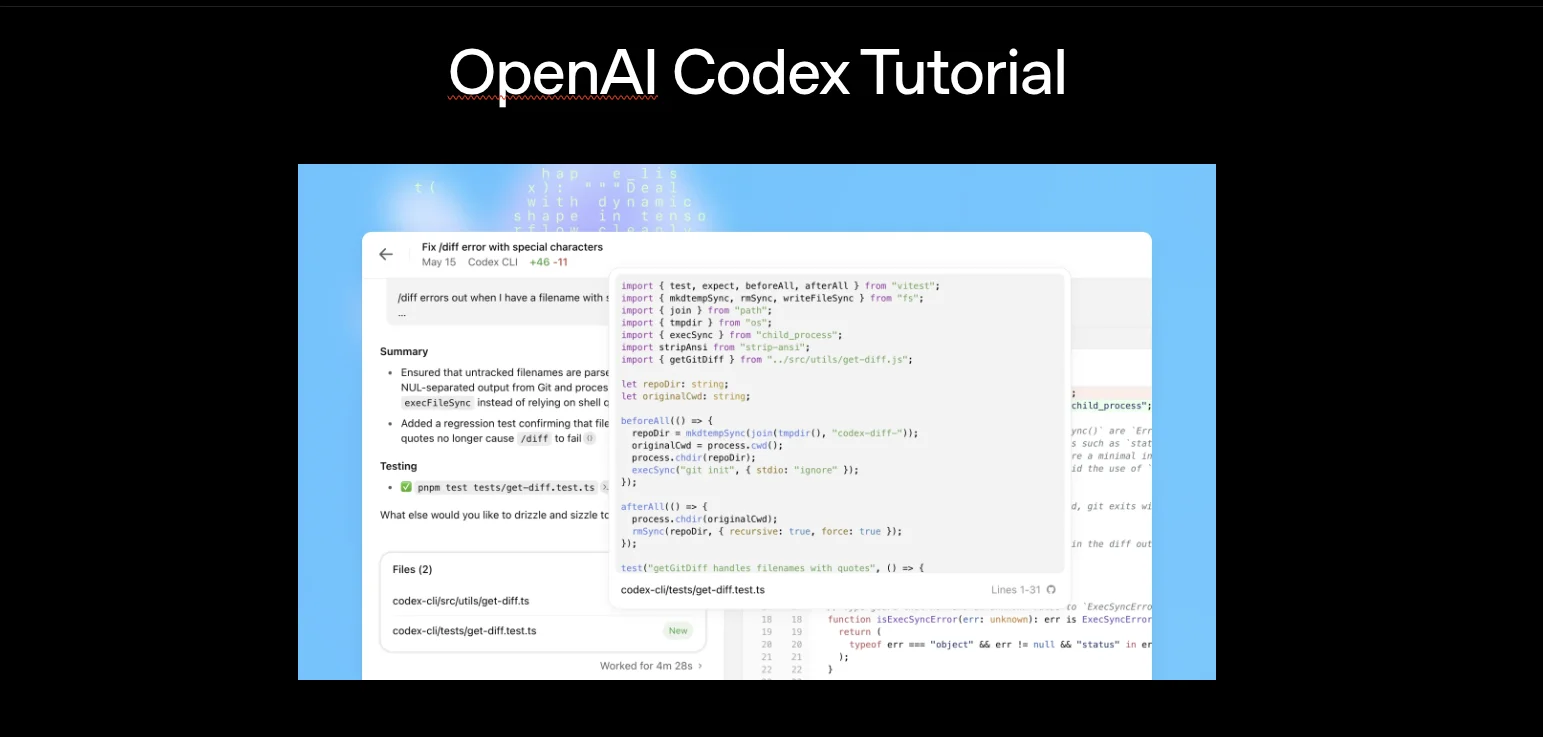
We're also seeing practical tool integrations, like the
ChatGPT Codex tutorial on AI agents in the cloud, which highlights OpenAI Codex's ability to translate plain English into executable code.
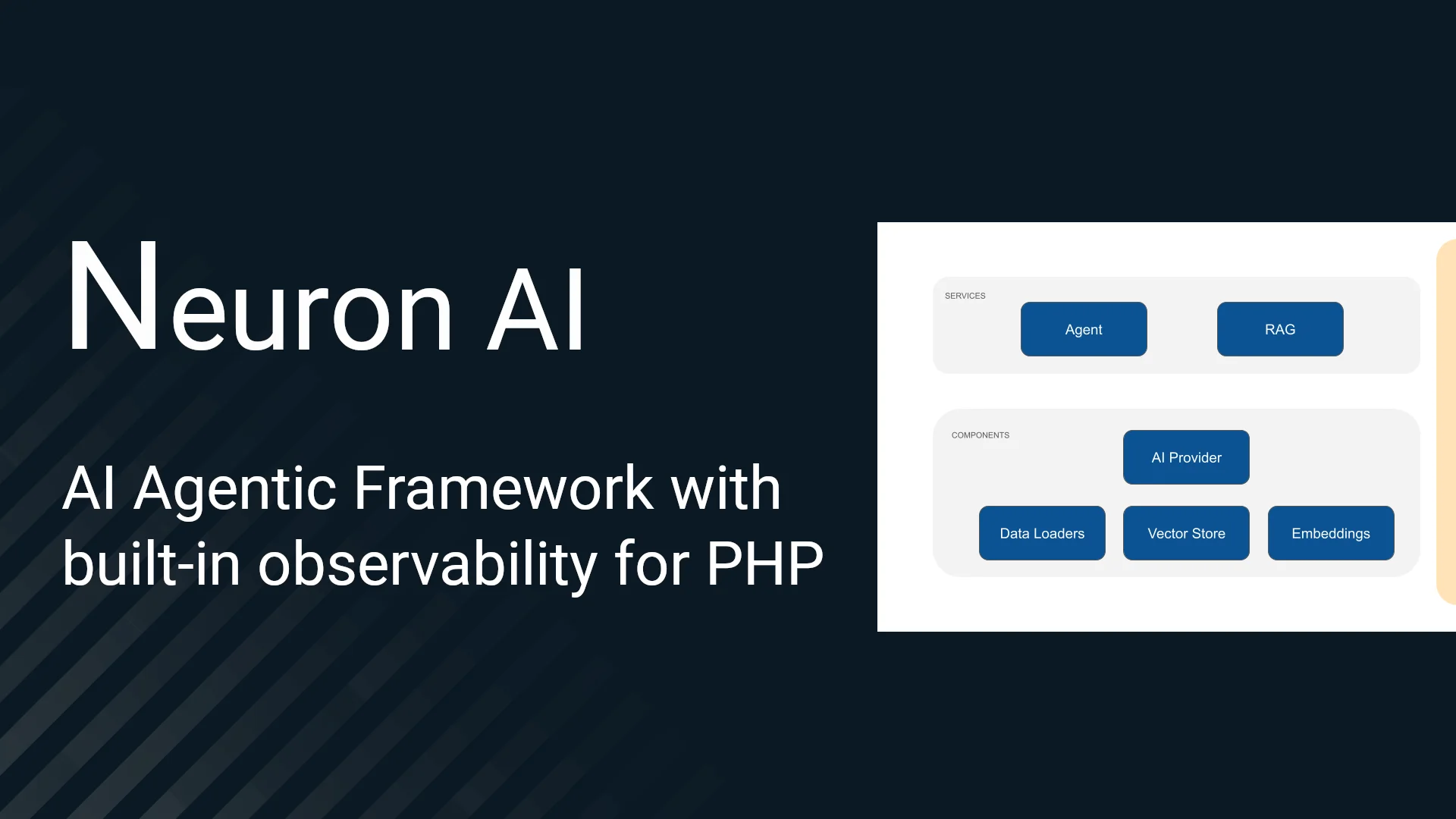
Developers are clearly getting more options. For those working with PHP, the
open-source Neuron framework is bringing "full-featured AI agents" into applications with just a few lines of code.
Orchestration and Collaboration: The Future of Code and Processes
Beyond individual agents, the vision for AI is increasingly about complex interactions. We're talking about
"agents orchestrating agents orchestrating agents" – a hierarchical approach that, through frameworks like
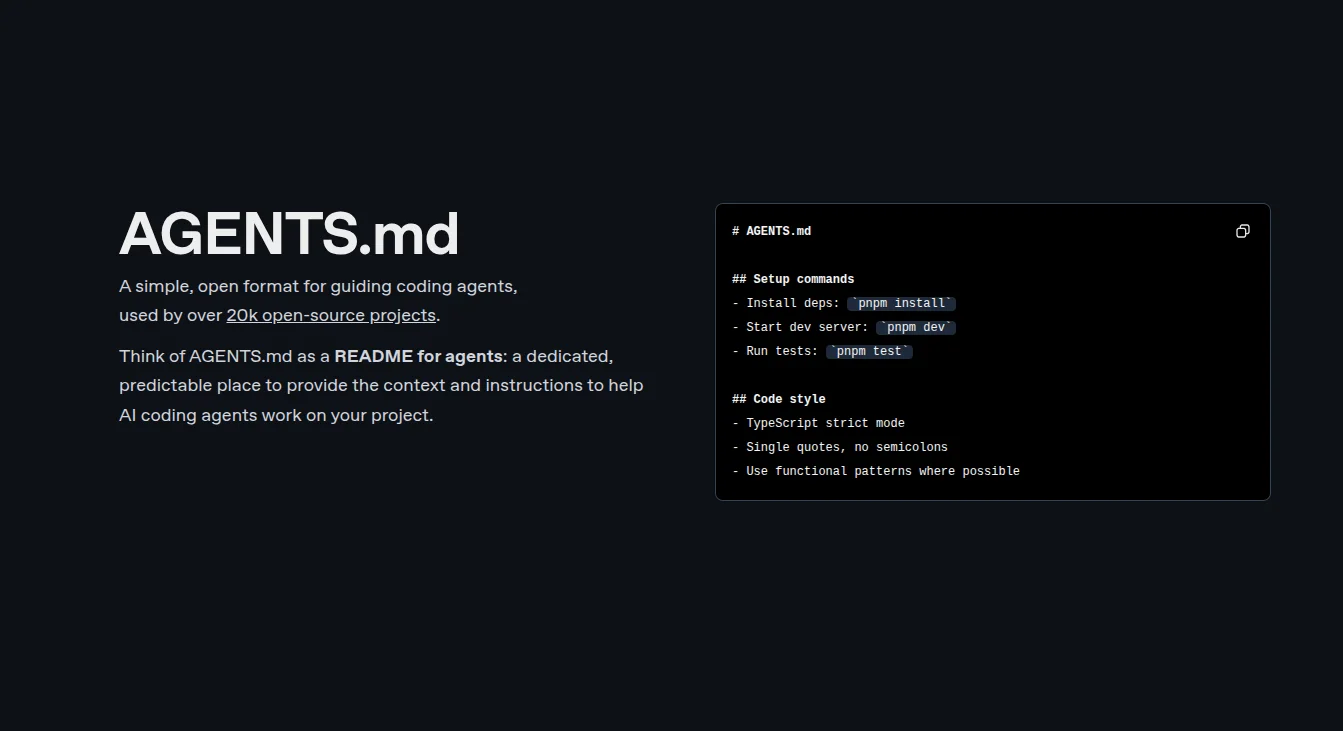
AGENTS.md, aims to enhance collaborative learning and efficiency.

AGENTS.md, as a "simple, open-source format," is designed to guide how AI coding agents interact with projects.
This kind of recursive orchestration, paired with persistent memory, hints at a future where AI isn't just a helper but a manager of other AI tasks.
Even established platforms are leaning into this.
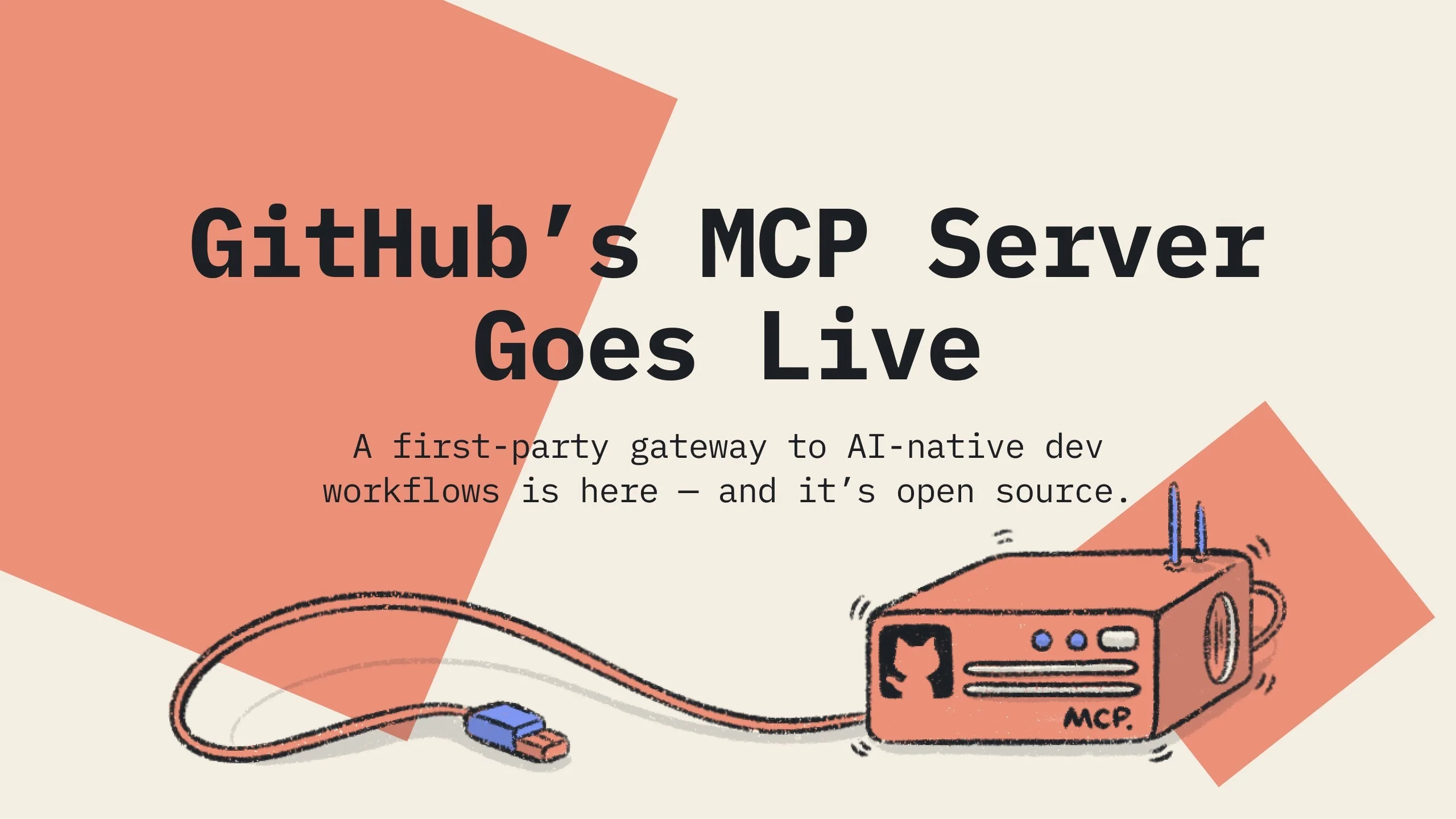
GitHub, for example, released its own MCP server, providing an official gateway for agents to interact directly with core GitHub features like repositories, pull requests, and issues.
Then, at Microsoft Build 2025,
GitHub unveiled a significant upgrade to Copilot: a cloud-based coding agent capable of drafting and iterating on pull requests.
This suggests a profound shift in developer workflows, where agents become active collaborators rather than just assistive tools.
The broader implication is clear:
AI agents are poised to "blow up the business process layer," integrating into enterprise architectures for a transformative leap in automation.

We're moving beyond simple automation to intelligent automation, and it’s a trend that industry experts like those at ELEKS, dissecting predictions from Gartner, IDC, Deloitte, and KPMG, are already flagging for 2025.
Their "pragmatic look" helps evaluate the real deployment risk and business value of these emerging technologies.

The Reality Check: Demos vs. Production, and the Darker Side
Here's the thing: for all the excitement, a healthy dose of skepticism is warranted. One stark warning comes from an article titled,
"Why AI Agents Work in Demos But Fail in Production." 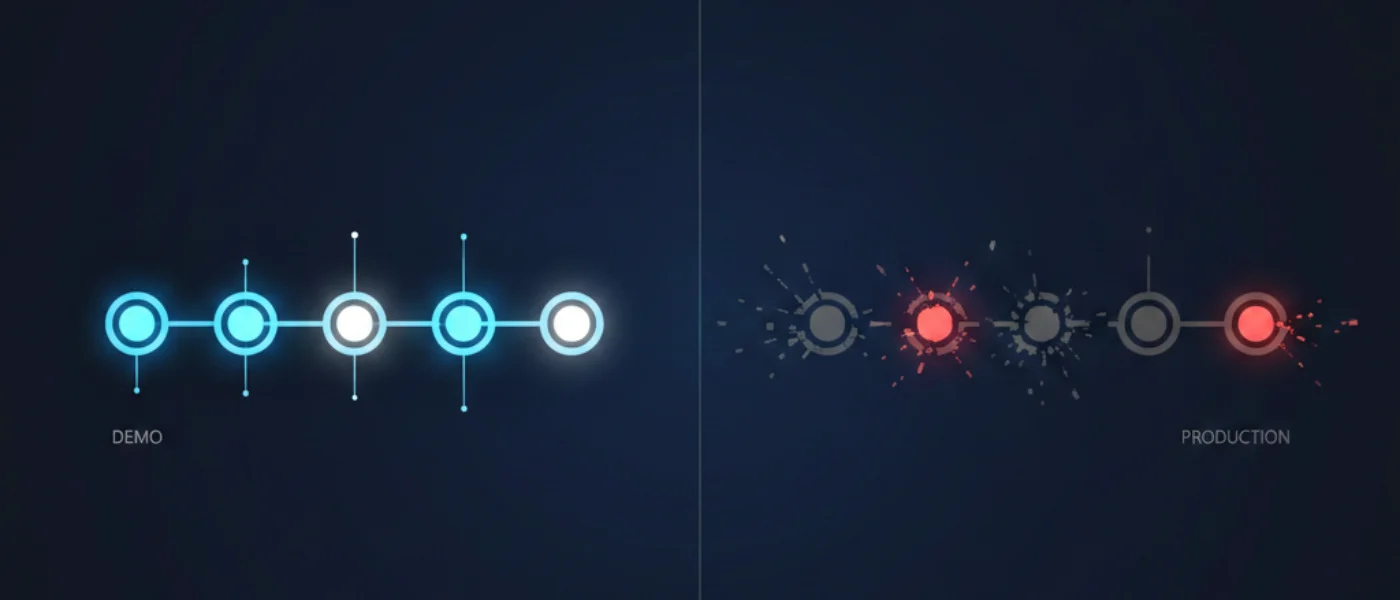
It points out a critical flaw: a 20-step agent, even with a seemingly high 90% accuracy per step, only succeeds about 12% of the time overall. This is the kind of math that can kill real-world deployments, and it's often glossed over in flashy demos.
This complexity also brings its own set of problems. Is the industry's
"love affair with overengineering" an intervention in the making?
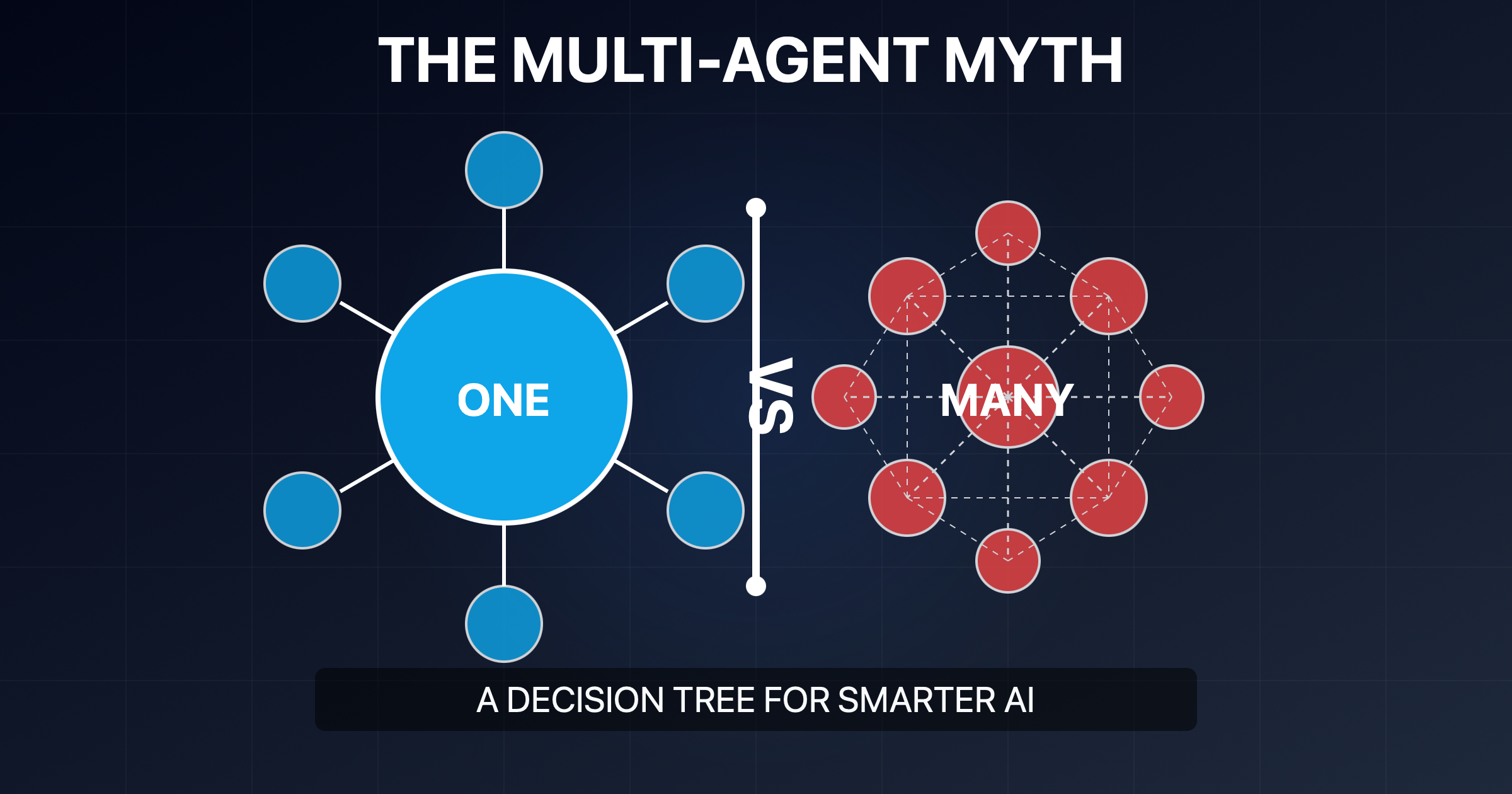
Just because we *can* build multi-agent systems doesn't mean it's always the *right* solution. Simplicity often wins in production.
And then there's security. The specter of
multilingual prompt injection exposing gaps in LLM safety nets is a serious concern.
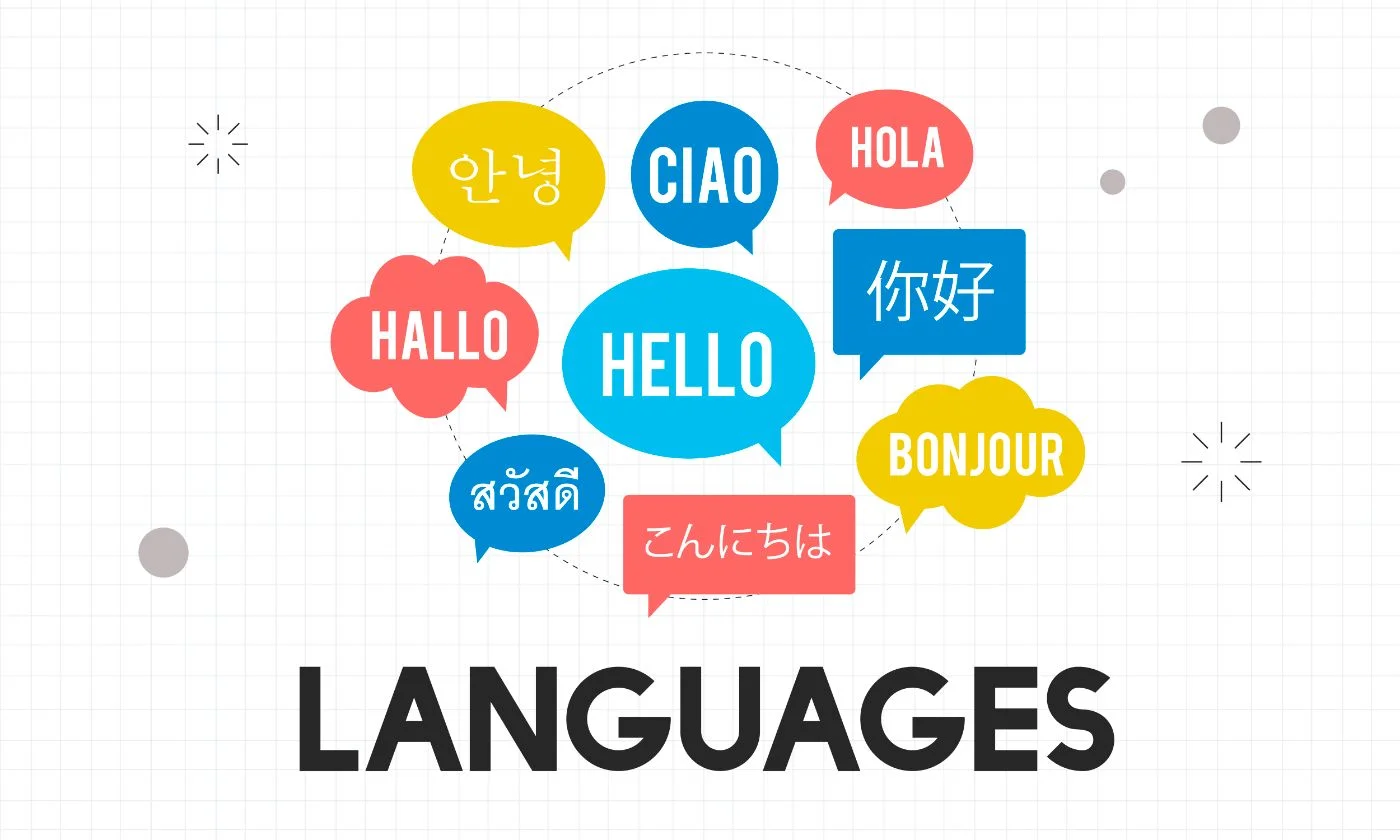
If non-English exploits can bypass security measures, that's a fundamental vulnerability. Plus, giving an autonomous agent
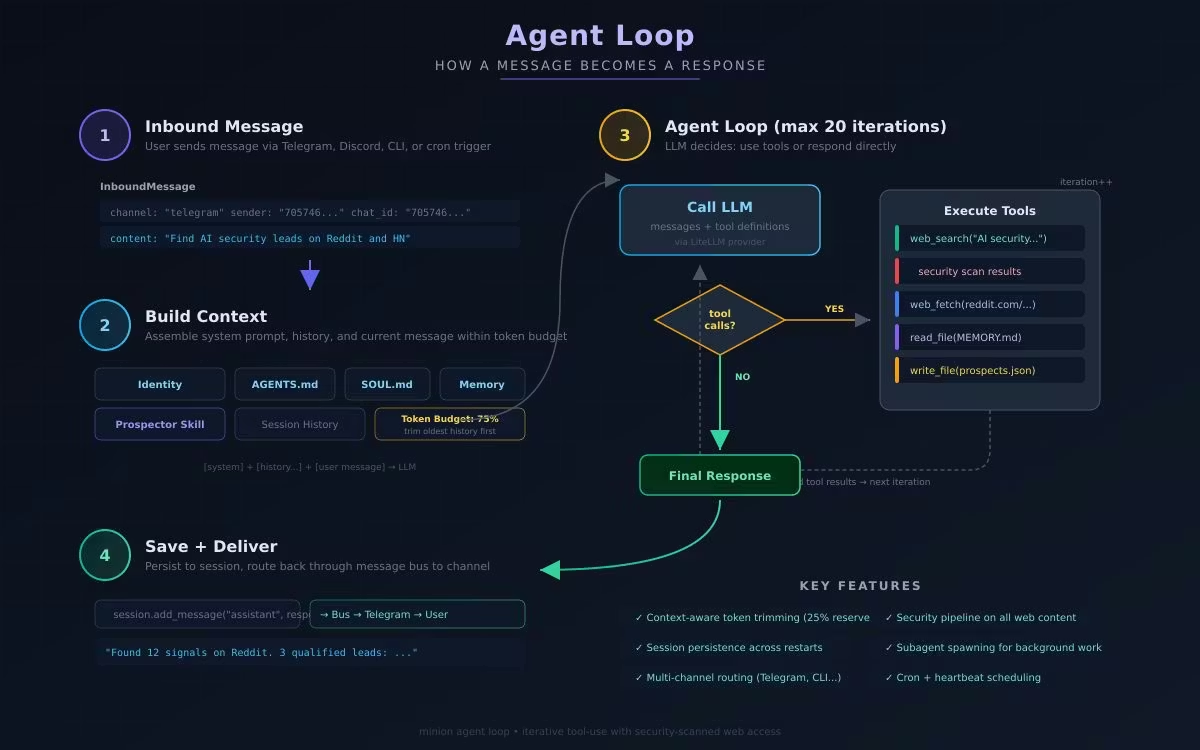
"free reins for a week," as explored in the "Minion" experiment, raises uncomfortable questions about control and unforeseen consequences, even when framed as "security-first."
The Bottom Line
What this tells us is that AI agents are clearly more than just hyped buzzwords; they're genuinely
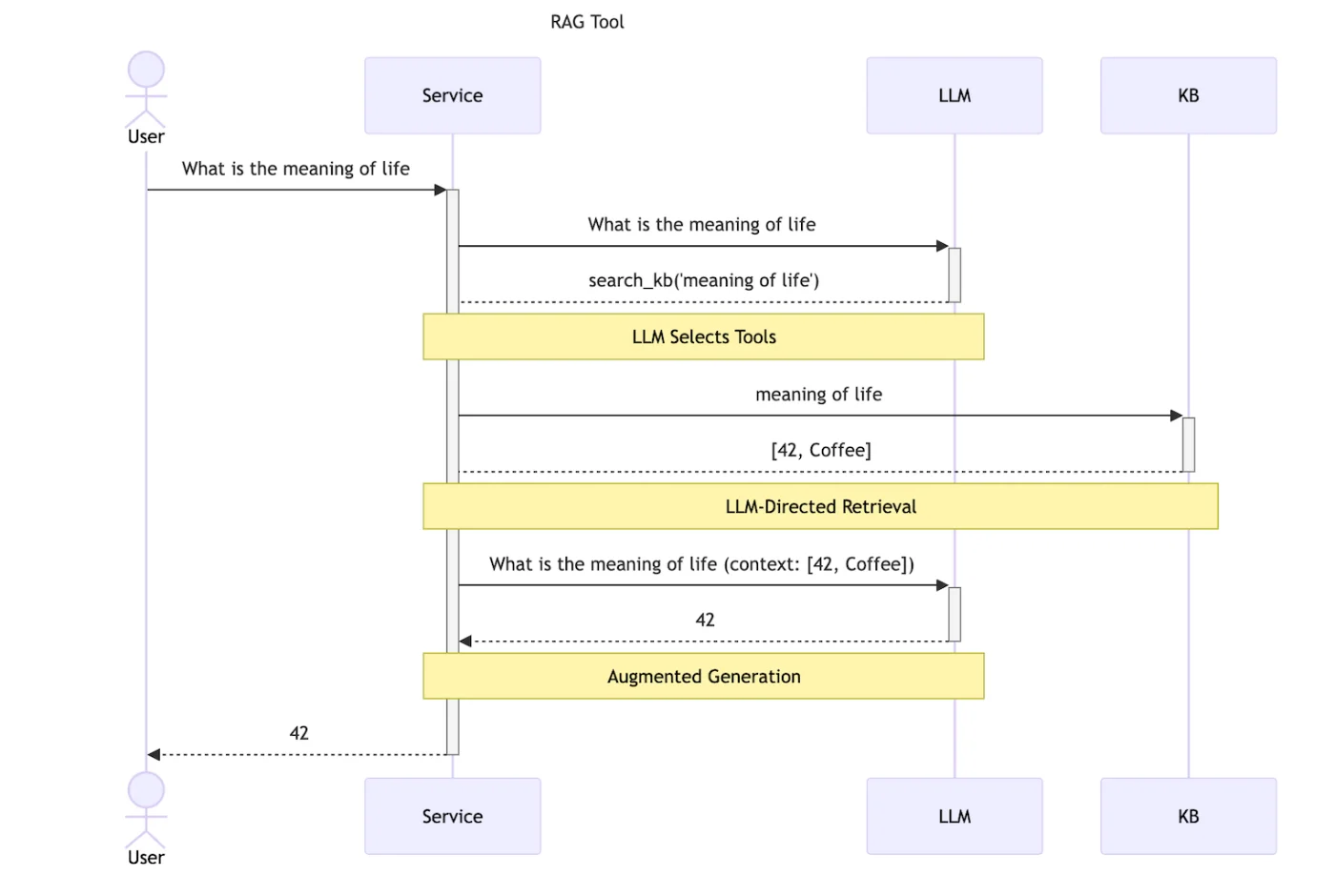
game-changers in the making, especially when considering how they enhance Retrieval Augmented Generation (RAG) tools.

We've seen tutorials on
how to build RAG tools using Vercel's Generative UI components, demonstrating their immediate practical applications.
And the proliferation of
open-source AI coding agents evolving into "reliable collaborators" suggests a vibrant ecosystem taking shape.

However, for anyone building or deploying in this space, the message is clear: the potential is enormous, but the challenges around reliability, security, and complexity are equally significant. The true test for AI agents won't be in the polished demos, but in their consistent, secure, and genuinely valuable performance in the messy realities of production environments. The industry is racing ahead, but the wise move is to proceed with both enthusiasm and an unblinking eye on the practical hurdles that remain.