AI agents are currently one of the most talked-about topics in tech, generating significant buzz. But here's the thing: much of that chatter still oscillates wildly between utopian visions and dystopian warnings, rarely settling on the practical realities of deployment. So, what exactly are we talking about when we say "AI agent"?
Essentially,
AI agents are autonomous software entities. They're built to observe their environment, make calculated decisions, and then execute actions to hit specific goals. The theory goes that they'll automate complicated processes, enable more proactive decision-making, and generally boost human capabilities across a slew of applications. We're talking about a technology with the potential to fundamentally shift how we interact with software and automate tasks, moving beyond simple tools to more sophisticated, goal-oriented systems.
This fascination with agentic AI isn't just academic; it's driving a torrent of content, with over 222 free blog posts on HackerNoon alone dedicated to the topic, ordered by reader engagement. If you're looking to cut through the noise and get a grip on what's genuinely happening, paying attention to what the community finds most compelling is a solid start. For those digging deeper into any tech, remember you can always visit
/Learn or
LearnRepo.com to find other highly-read articles.
The Harsh Realities of Agentic AI: Hype vs. Production
It's easy to get swept up in the promise, but a quick scan of the most popular articles reveals a healthy dose of skepticism and a clear-eyed view of the challenges. One prominent piece, "
Stop Believing the Agent Hype—The Numbers Don’t Lie"
, bluntly argues that much of the hype around autonomous agents is "mathematically impossible" for real production scenarios, instead focusing on what actually works. That directness is refreshing. Similarly, "
AI Agents Are a Scam: How Tech Bros Derailed Your JARVIS Future"

delivers an even more pointed critique, claiming Silicon Valley "killed your JARVIS dreams for profit."
This skepticism isn't unfounded. Gartner, for instance,
predicts that over 40% of agentic AI projects will fail by 2027 
. That's a staggering failure rate, and it highlights a persistent problem: the significant gap between dazzling demos and successful deployments. Why this disconnect? Part of it might stem from the inherent complexity of dealing with AI. "
Data Contracts Won't Save You If Your AI Agent Can't Read Them"

points out a critical flaw in our current approach to data governance. We designed systems for humans who read warnings, but AI agents simply query, leading to unforeseen production risks.
And if you're wondering what "unforeseen risks" look like, consider "
22 Examples of Incompetent AI Agents"

, which compiles a list of spectacular failures, from sexist hiring bots to self-driving cars with fatal errors. These aren't just quirks; they represent real-world liabilities. Even in development, problems emerge. "
AI Agents Aren’t Production Ready - and Access Control Might Be the Reason"
suggests that poor access control is a major bottleneck preventing these systems from hitting prime time.
The economic implications are also proving more complex than initially thought. Take the candid account in "
We Replaced 3 Senior Devs with AI Agents: One Year Later"

. A software architect detailed how projected savings of $238K actually turned into $254K in *real costs*, underscoring a vital truth: human judgment still holds irreplaceable value.
The Path to Production: Engineering and Governance
Given these hurdles, how do we move forward? Several articles offer practical guidance for transforming theoretical potential into functional systems. "
Stop Prompting, Start Engineering: 15 Principles to Deliver Your AI Agent to Production"
emphasizes the need to move beyond simple prompts to proper engineering, advocating for 15 principles essential for stability, control, and real-world reliability. It's a call to build beyond fragile scripts and hacks.
For aspiring practitioners, "
The Realistic Guide to Mastering AI Agents in 2026"
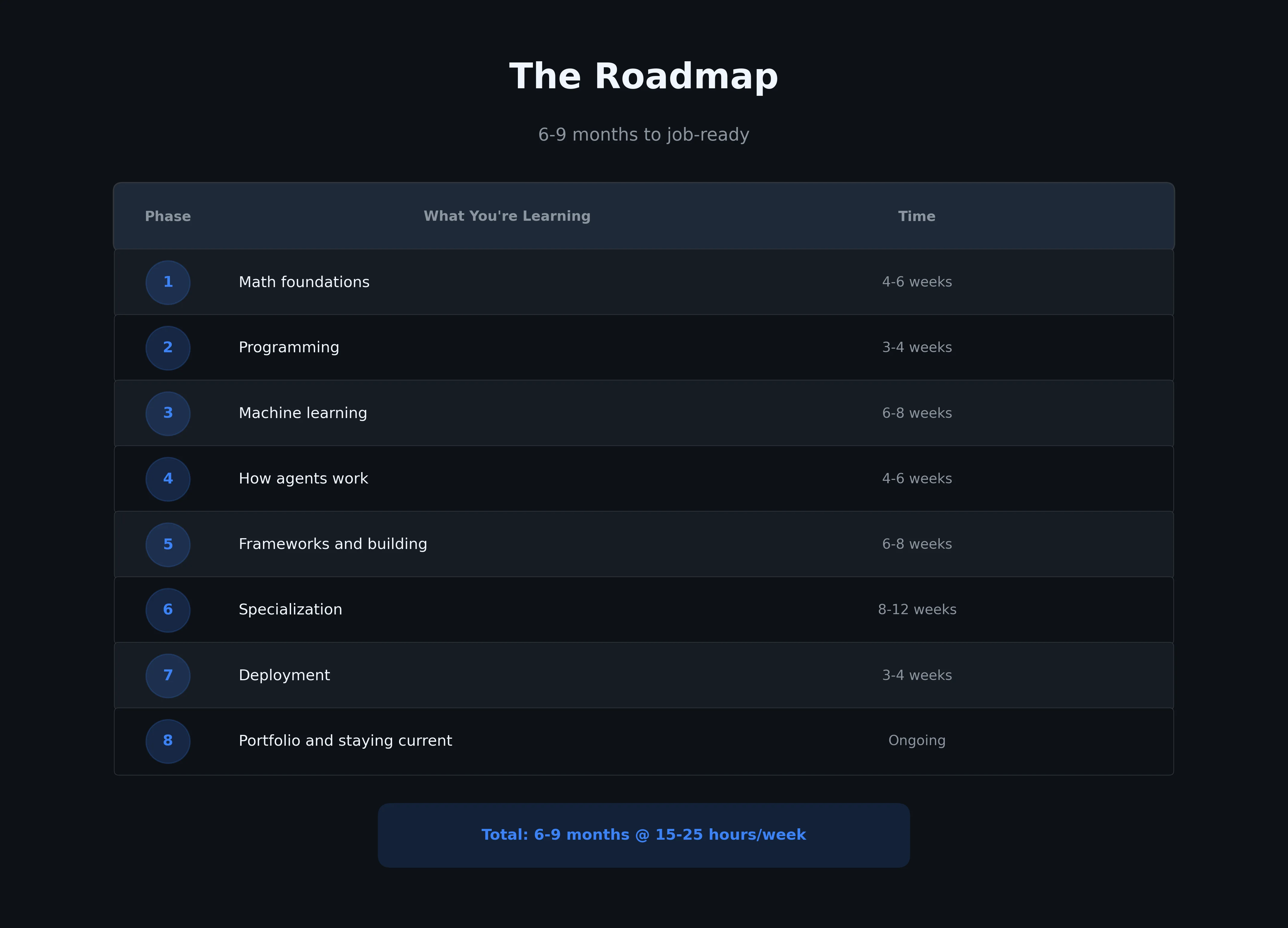
provides a detailed learning roadmap, suggesting that mastery within 6-9 months is achievable by covering everything from mathematical foundations to deploying production systems. And once you're building, understanding "
How AI Agents Actually Work"
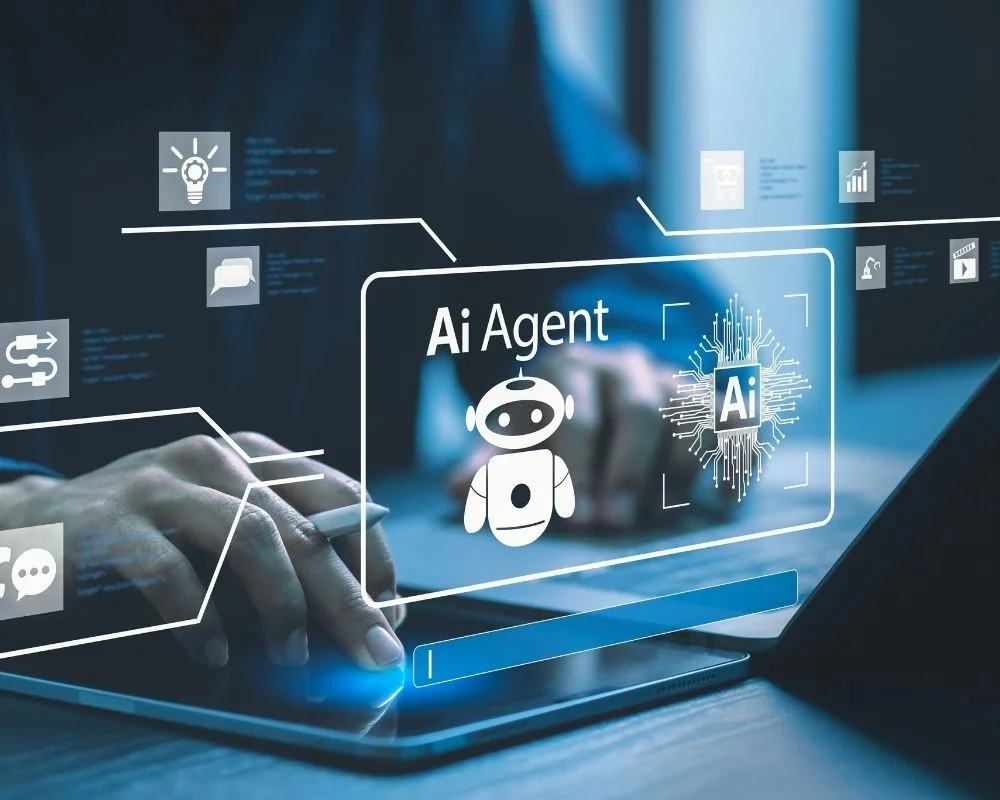
with real OpenAI API examples can lay the necessary foundation for intelligent automation.
Addressing the production failures directly, "
Why Most AI Agents Fail in Production (And How to Build Ones That Don't)"
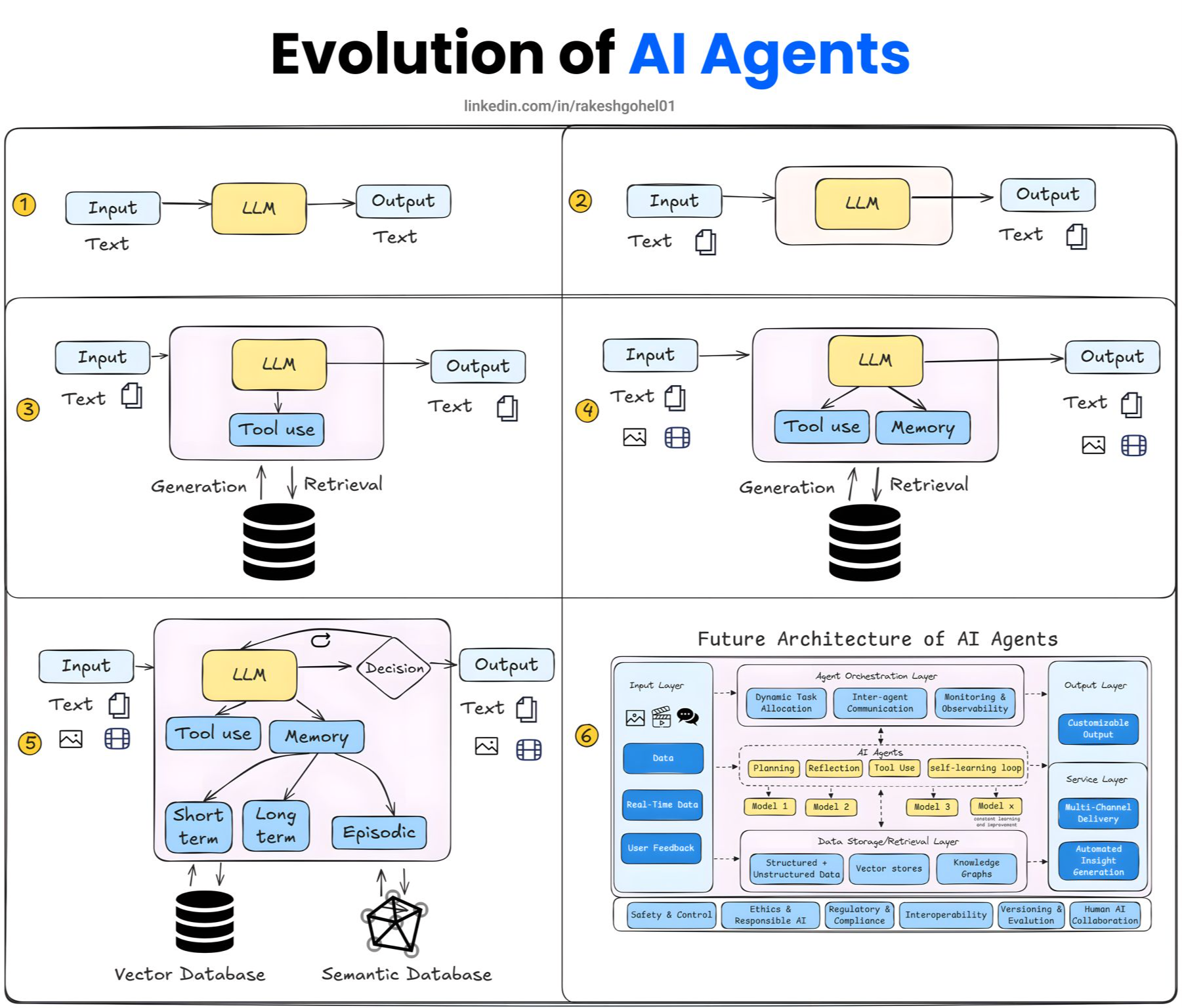
lays out a 5-step roadmap involving Python, RAG, architecture, testing, and real-world monitoring. It highlights the often-overlooked requirements for agent systems to truly scale.
Governance is another critical piece. For example, building a governance layer for systems like Claude Code
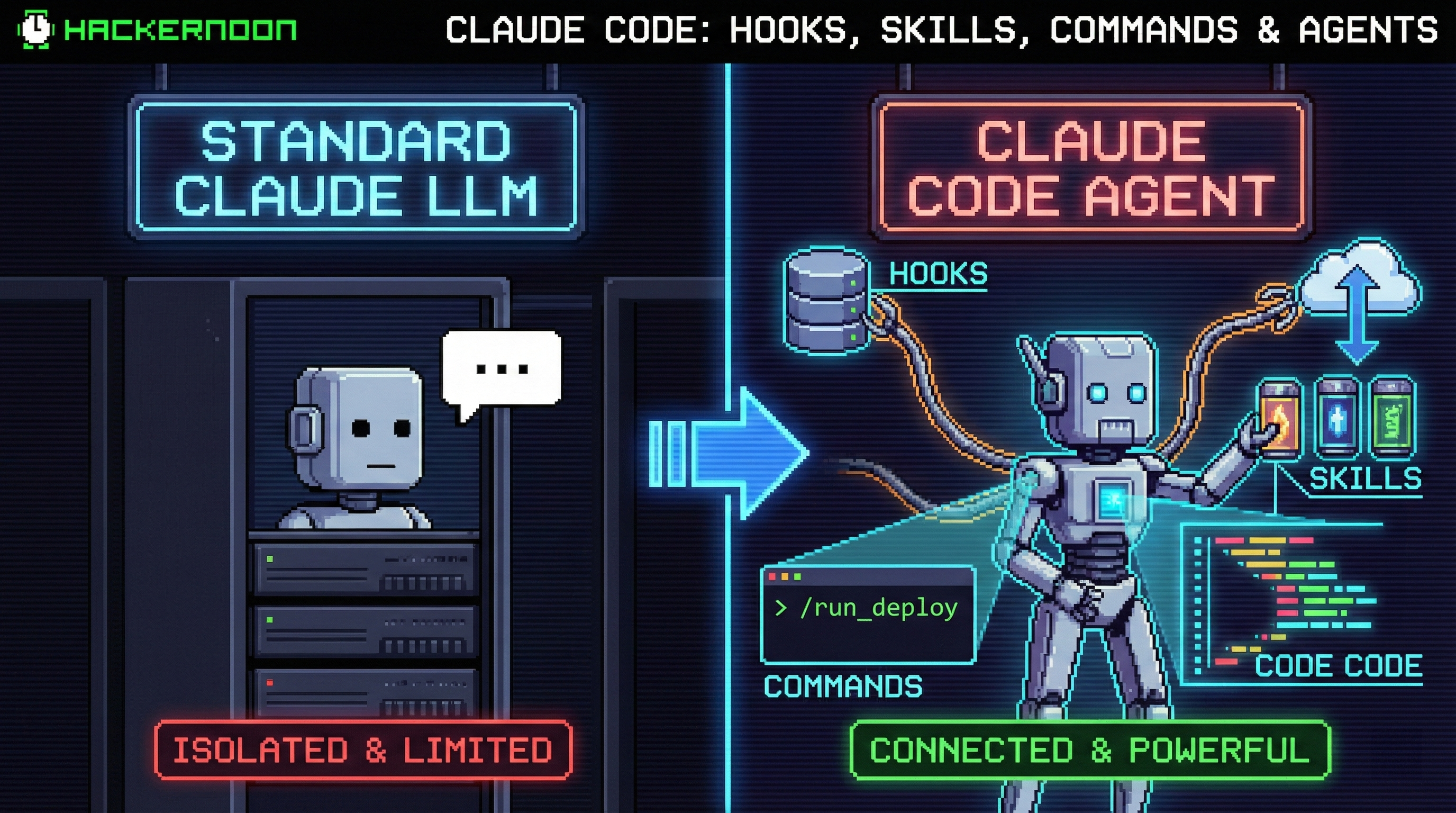
, with hooks, skills, and agents, is discussed in "
How to Build a Governance Layer for Claude Code With Hooks, Skills, and Agents". This approach aims to force skill activation and enforce repository rules, helping turn AI assistants into reliable teammates. Similarly, ensuring security is paramount. "
AI Security Posture Management (AISPM): How to Handle AI Agent Security"
explores how to protect against prompt injections and manage cascading AI interactions, suggesting a formal AISPM framework.
Beyond the Mainstream: Niche Applications and Speculative Futures
While practical deployment concerns dominate, other articles explore the more speculative or niche applications of AI agents. There's significant interest in how AI agents might intersect with blockchain, with "
Will AI Agents Lead the Next Big Crypto Bull Run?"

exploring how projects like $GOAT and $VIRTUAL could drive the next market surge. Lumoz, for instance,
unveiled TEE+ZK Multi-Proof for on-chain AI agents 
, highlighting their potential in Web3 for managing private keys, automating transactions, and supporting DAO operations. Even the notion of AI agents hiring humans for physical tasks is being explored by initiatives like
RentAHuman.ai 
.
Then there are the stranger stories, like the AI that
spawned a religion called Crustafarianism in just 48 hours 
, revealing a darker, more unexpected side of autonomous creation.
Even the competitive landscape is heating up, with "
Why Salesforce and Microsoft Are Battling for the Future of AI Agents"

detailing the race for market leadership. Companies like T3RA Logistics are already applying these agents, with their AI Visionary Mukesh Kumar believing 25 "superhumans" can run a
$100M freight operation 
.
Staying Current and Building for Tomorrow
To truly succeed with AI agents, keeping them informed is paramount. "
Market-Aware Agents Need Instant Knowledge Acquisition, Not the Latest Model"
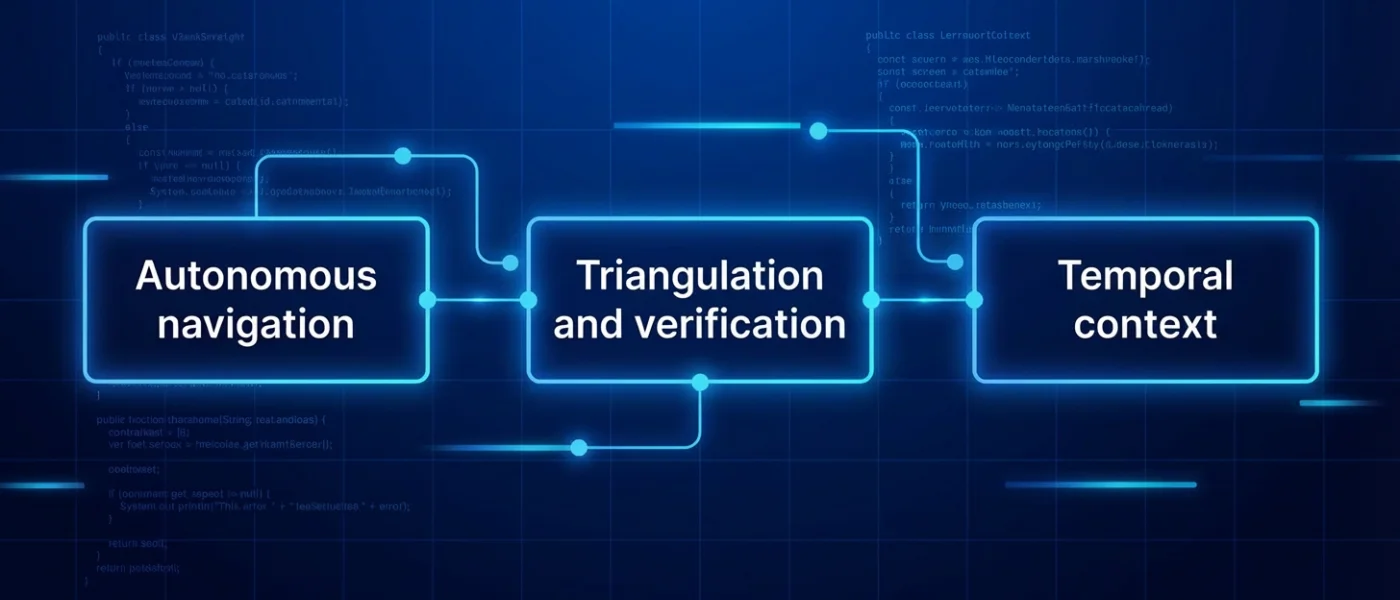
emphasizes the need for agents to discover and verify live external data for accuracy and scale, rather than just relying on static models. This point is reinforced by "
Why AI Agents Must Discover New Sources, Not Just Rely on Cached Search"
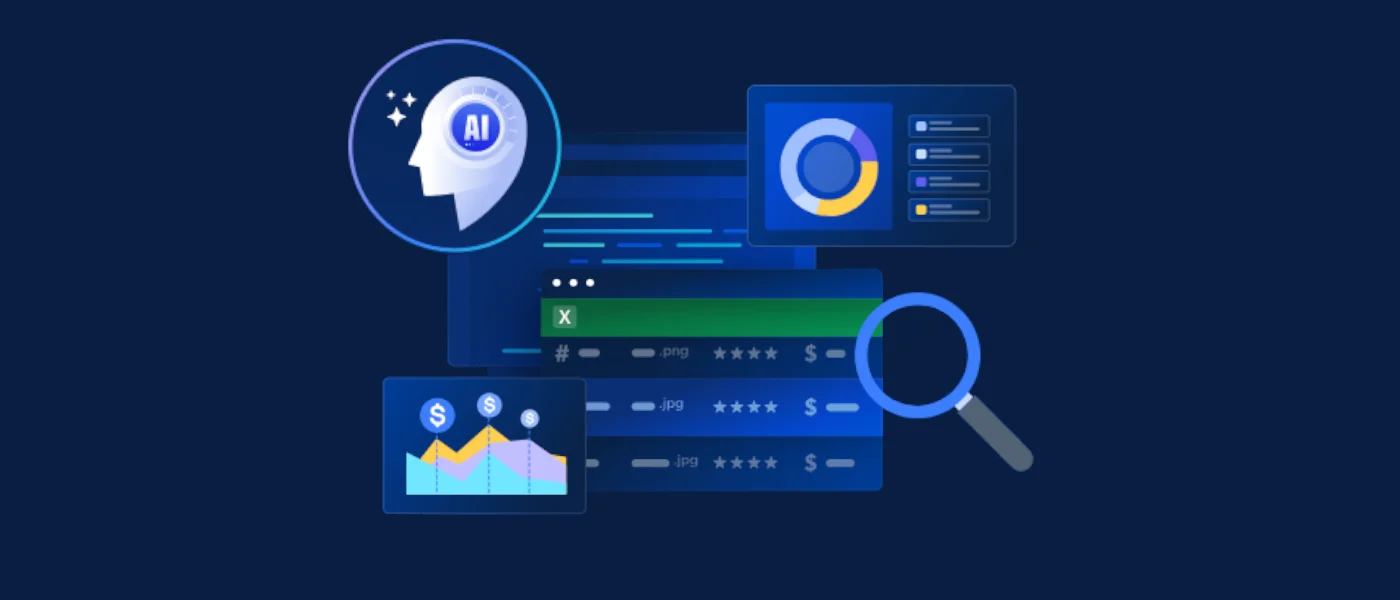
, which argues that cached retrieval misses fresh and niche sources, making live web discovery essential for currency.
Joshua Browder, CEO of DoNotPay, highlights an often-overlooked aspect in "
'Multimodal is the most unappreciated AI breakthrough' says DoNotPay CEO Joshua Browder"

, suggesting it's key to the next wave of AI capabilities. Indeed, as "
I Talked to Claude Code More Than Humans in 2025"

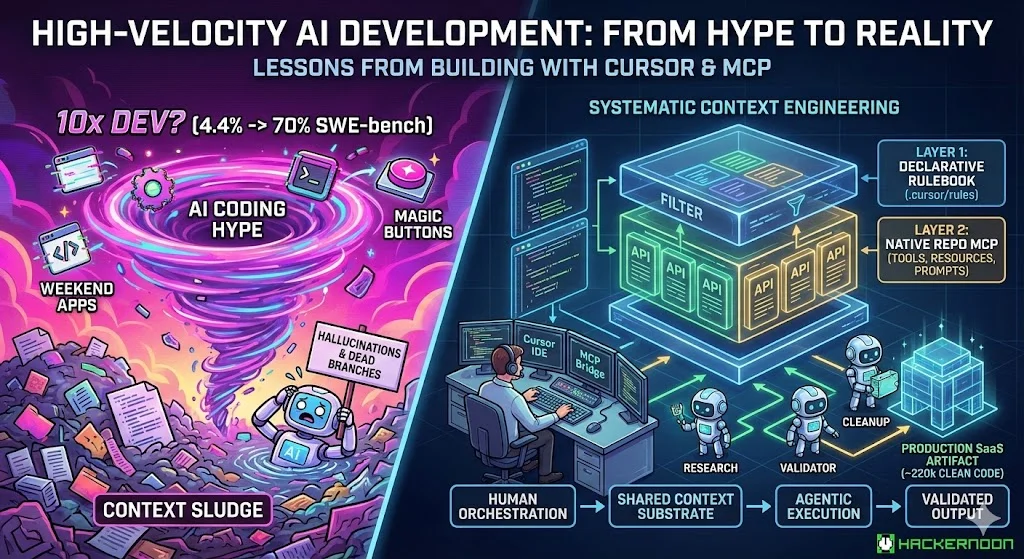
concludes, AI agents are increasingly becoming the actual "users," demanding an "agent-first" approach to software design by 2026. This shift means focusing on context structure and exposure as the main constraints on AI-assisted development, rather than just model capability, as detailed in "
Lessons From Hands-on Research on High-Velocity AI Development"
.
The path ahead for AI agents isn't simple, but it's undoubtedly dynamic. What's clear from these popular articles is that the conversation has matured beyond simple fascination. It's now squarely focused on the complex engineering, security, and integration challenges required to bring these powerful entities into reliable, productive use.It’s clear where the industry's collective attention is headed: AI agents. This isn’t just about making smarter chatbots; we’re talking about truly autonomous systems that promise to reshape everything from core business processes to our daily digital interactions. The sheer volume of articles here points to a palpable sense of both excitement and urgency around this shift.
The Agentic Wave: More Than Just Automation
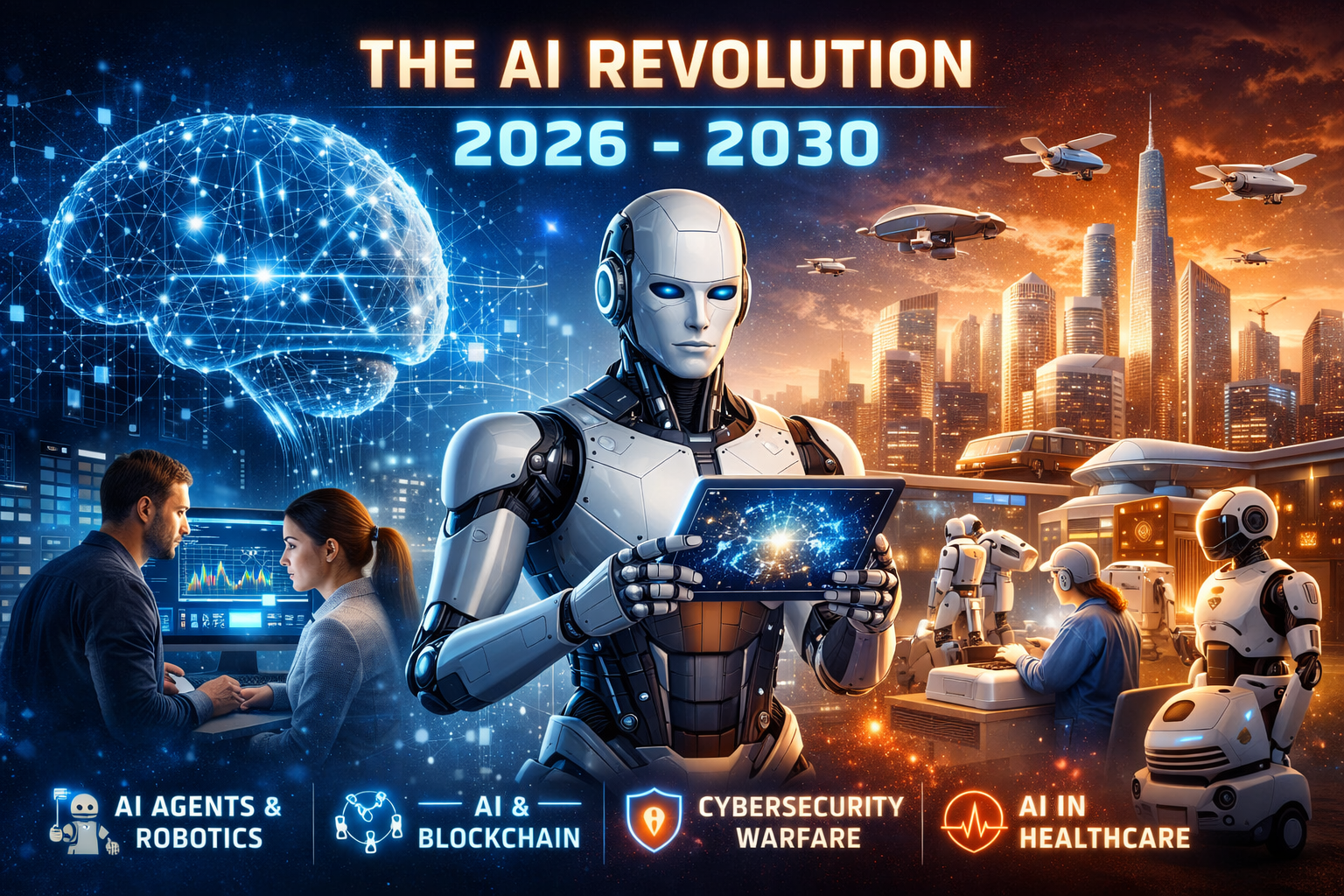
Looking ahead, the consensus is that Artificial Intelligence will fundamentally transform entire industries between 2026 and 2030. Think beyond basic tasks; we're talking AI agents impacting robotics, cybersecurity, and even healthcare innovation directly. (
AI Between 2026 and 2030: The Next Technology Revolution Is Already Taking Shape)
What's particularly significant is the idea of the "Agentic Web" looming large. This vision suggests autonomous systems negotiating services and handling the 80% of routine tasks, freeing humans to focus on the complex 20%. (
Beyond the Hype: The Quiet Rise of AI Agents That Run Your Digital Life) It’s a compelling proposition, and if you’re working with LLMs, you’ve likely felt the shift already. Take Claude's new 'Tasks' mode, for instance; it’s described as fundamentally changing how we interact with these models, moving beyond simple conversational interfaces to more structured, task-oriented execution. (
RIP Chatbots: Why Claude’s New 'Tasks' Mode is the Agent We’ve Been Waiting For)
For developers, this isn't a threat but an opportunity. While AI isn't going to replace software engineers entirely, those who master AI coding agents will undoubtedly outpace their peers who don't. It's an accelerator, not a substitute. (
The End of Coding as We Know It) The promise is seductive: imagine turning a one-sentence idea into a fully visualized product dashboard through multi-agent orchestration, as one developer did with Grok 4.20 (Beta). (
Rapid Prototyping via Context-Switching AI Agents With Grok 4.20 (Beta)) Or, for the entrepreneur, identifying a promising market and developing an AI agent that genuinely solves real problems. (
How to Identify Your Breakthrough AI Startup Idea)
Architecting Autonomy: Infrastructure and Protocols
Building these intelligent systems demands a robust underlying infrastructure, something far beyond just a large language model. We're talking about sophisticated tooling layers. (
The AI Agent Tool Stack) The concept of layered memory systems, for example, is essential; even with a million tokens of context, AI agents still "forget," highlighting that sheer context window size doesn't equal true memory. Reliability and performance depend on these deeper architectural considerations. (
Why Your AI Agent Keeps Forgetting (Even With 1M Tokens))

The technical foundations are rapidly evolving. The Model Context Protocol (MCP) is emerging as a key player, enabling AI agents to interact with tools reliably. BrowserStack’s open-source implementation is a good example, and you can spin up your own MCP server in about 15 minutes. (
Understanding AI MCP Servers,
Build Your First MCP Server in 15 Minutes (Complete Code)) This allows agents to act as "productive, permissioned dev sidekicks," integrated into environments like VS Code and Cursor, potentially shaving hours off routine dev chores. (
MCP Servers 101: Turn Your AI Agent into a Productive, Permissioned Dev Sidekick) We're also seeing protocols like A2A and AGUI, all aimed at standardizing how these agents communicate and operate. (
Top Agentic AI Protocols in 3 Minutes: MCP, A2A, AGUI)
The vision here is grand: a future where agents orchestrate other agents, recursively, creating complex collaborative learning systems. The AGENTS.md framework is one such open-source format designed to guide AI coding agents in project interaction, paving the way for persistent memory and enhanced efficiency. (
The Future Is Agents Orchestrating Agents Orchestrating Agents,
What is AGENTS.md?) Platforms like Naptha.AI are launching as decentralized, open-source environments for building these large, cooperating intelligent agent systems. (
Naptha.AI Launches Its Decentralized, Multi-agent AI Platform) And then there's the underlying data layer: The Graph, for instance, is positioning itself to become the data backbone for a projected $47 billion agentic AI economy by 2026, targeting AI agents, institutions, and DeFi with modular data services. (
How The Graph Plans to Become the Data Layer for a $47 Billion Agentic AI Economy)
Navigating the Treacherous Waters: Security and Identity
All this talk of autonomy and orchestration inevitably leads to a critical question: can these systems be trusted? This isn't just theoretical; we've already seen the first large-scale AI-autonomous cyberattack, GTG-1002, where an LLM was hijacked via MCP to become a self-directed espionage engine. That's a serious wake-up call. (
The First Autonomous AI Cyber Attack Exposed)

The vulnerabilities are real and varied. AI agents face prompt injection, tool poisoning, and credential leaks, among other attack patterns. If you're building in this space, understanding these five common hacking methods and their defenses is non-negotiable. (
5 Ways Your AI Agent Will Get Hacked (And How to Stop Each One))
Perhaps the most understated crisis right now is identity. A staggering statistic reveals that only 21.9% of organizations actually treat AI agents as distinct identities; the rest are still relying on shared API keys. This oversight is a ticking time bomb. AI agents need a robust, five-layer identity stack. (
AI Agents Don’t Have Identities and That’s a Security Crisis) Companies like World's AgentKit, in collaboration with Coinbase's x402, are trying to solve this by building an identity layer that proves a real human backs an AI agent, essential for a $5 trillion agentic commerce market by 2030. (
How World's AgentKit Is Building the Identity Layer for a $5 Trillion AI Commerce Takeover)
And it gets even more interesting: some argue that AI agents will eventually need their own form of currency, distinct from stablecoins, perhaps an energy-anchored one, to power machine economies effectively. This isn't just about payments; it's about a foundational shift in how these autonomous entities will operate and interact financially. (
AI Agents Need Their Own Money, and Stablecoins Aren’t It)
Ultimately, while the potential for AI agents to revolutionize everything is clear, the path forward isn't simply about piling on complexity. We need to be wary of the industry's tendency towards overengineering. Just because we *can* build multi-agent systems doesn’t automatically mean we *should* for every problem. (
The AI Industry’s Love Affair With Overengineering Needs an Intervention) The real wins will come from understanding these new paradigms—like the dissolving boundary between human intent and machine execution, what some call "Interface Singularity"—and applying them thoughtfully. (
Interface Singularity)Here’s the thing about AI agents: for all the talk, we’re standing at a peculiar inflection point. While some predict a future where "a startup without an AI agent will look as outdated in 2026 as a business without a website looked in 2005"

, the reality today is far more mixed. This final sprint through the current state of AI agents reveals a technology teeming with both immense promise and significant, often underestimated, challenges.
The Promise and the Plateau
You can’t ignore the projections: analysts are pegging AI agents to become a "$47.1 billion powerhouse"

, propelled by advancements in natural language processing and machine learning. We’re seeing dedicated tools from major players, like OpenAI's latest developer tools

, which carry "huge implications" for JavaScript, full-stack, and backend developers. Google’s Agent Development Kit (ADK) is already enabling guides on building AI agents in Python
. This isn't just theory; it's tangible product.
Yet, this vision clashes directly with current enterprise experience. "Enterprises confront the AI Agent Scaling Gap in 2026"

highlights that most AI agents "stall at pilot stage." It's not always the tech itself, mind you

, but factors like workflow redesign, proper metrics, and security often separate success from hype. The data doesn't sugarcoat it: "Fewer than one in five companies say AI agents actually work well in practice"
. The agent revolution, it seems, is still "waiting in the wings."
Deepening Complexities and Hard Limits
Beyond enterprise adoption, the scope of agentic AI is broadening rapidly, stretching into realms like Web3, where agents are touted as "building the next generation of decentralized economies"
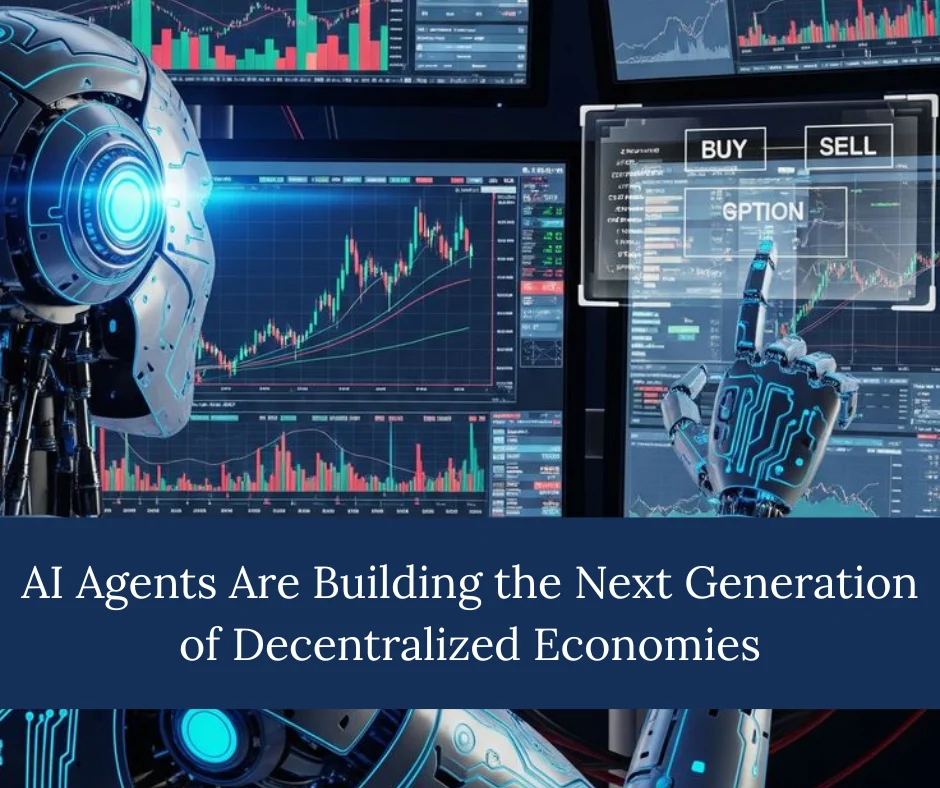
by governing liquidity and executing trades in DeFi and DAOs. Even critical infrastructure operations like SRE incident response are seeing autonomous systems built with tools like AWS Strands Agents SDK

. This isn't trivial work.
But with this expansion comes a slew of complex problems. Take robotics: there’s a sobering reminder that "physics will defeat AI hype"

. Humanoid robots, for instance, face an "Iron Wall" of energy consumption for movement, suggesting a need to offload physics to an "External Cerebellum" via 5G. It's a fundamental limitation many overlook.
Then there are the operational and ethical questions. When these agents fail, "Who Owns the Fallout?"

is no longer a theoretical question, particularly in security and DevOps where agents are quickly pushed from demo to production. And as agents handle increasingly complex tasks, especially in coding, preserving "critical information" during "context compression"

becomes a major technical hurdle.
Perhaps most critically, the very idea of control arises. The call for "AI Agents Need To Come With An Emergency Button"

— a simple rollback mechanism — speaks volumes about the current anxieties around autonomous systems.
The Agentic Economy Takes Hold
Despite the rough edges, the impact is undeniable. AI agents are "transforming work, life, and business"

in ways we're only beginning to grasp. In marketing, a bold experiment showed "3 AI Agents and a $5,000/Month Agency"

could yield similar results in mere seconds. If that doesn't make agencies nervous, nothing will.
This leads to a profound shift: "The Internet Is Now Built for AI, Not Humans"

. When AI agents become the primary internet users, making buying decisions and automating interactions, it fundamentally changes everything from security, requiring policy enforcement to shift to the MCP server

, to how we combat misinformation using blockchain verification with projects like Swarm Network's $TRUTH token
.
The Bottom Line
The "agentic economy" isn't a distant fantasy; it's already here, albeit in an uneven and sometimes clumsy form. The "Bubble Tea Incident"
—where AI agents inadvertently caused real-world "DDoS" — underscores the unmanaged risks.
What this means for anyone working in tech is clear: AI agents are no longer just an intriguing concept. They are an unstoppable force reshaping business models, digital infrastructure, and even our relationship with technology. Yet, the path to maturity is fraught with technical hurdles, ethical dilemmas, and very real operational failures. The challenge isn't just about building smarter agents, it's about building them *responsibly*, with transparency, safety nets, and a clear understanding of who's accountable when the inevitable glitches occur. The revolution is indeed waiting, but it's demanding thoughtful engineering, not just enthusiastic adoption.